
Non-Magnetic Tools are the hand tools your biomed department, facilities crew, and scanner service engineers reach for when work has to happen inside the magnet room. A standard steel screwdriver or wrench carried into Zone IV can be pulled toward the bore with enough force to injure a person or damage the scanner, and the static magnetic field is always on, whether or not a scan is running. Non-ferrous hand tools remove that hazard so routine maintenance, coil repairs, and construction work can proceed without waiting for the magnet to be ramped down.

MRI Med carries a full range of non-magnetic tools for MRI environments, from complete MRI tool kits to individual screwdrivers, wrenches, pliers, hex keys, sockets, and scissors. The category also includes construction tools for contractors working near magnets and titanium surgical instruments for clinical procedures in the MRI suite. Every item is selected for use in Zone III and Zone IV, where conventional steel tools do not belong.

Why Non-Magnetic Tools Belong in Every MRI Suite

Why Non-Magnetic Tools Belong in Every MRI Suite

The projectile effect, sometimes called the missile effect, is the reason this category exists. Ferromagnetic objects experience a pull that increases sharply as they approach the magnet, and a tool that feels inert in the hallway can become a projectile a few feet from the bore. Hand tools figure in many reported incidents because they are small, easy to pocket, and easy to forget.

Under ASTM F2503, equipment is classified as MR Safe, MR Conditional, or MR Unsafe. MR Safe items pose no known hazards in any MR environment because they are non-conducting, non-metallic, and non-magnetic. MR Conditional items are safe within specified conditions such as field strength and spatial gradient. Almost no metal hand tools, even non-ferrous ones, are labeled MR Conditional or sold with a formal classification, so check the ferrous properties of each product and confirm the conditions match your scanner rather than assuming a tool is safe for use.

Keeping a dedicated set of MR Conditional tools in the suite, clearly labeled and stored in Zone III, is a simple control that supports the ACR Guidance Document on MR Safety Practices and the screening expectations accreditation surveyors look for.

Non-Magnetic Tool Categories at MRI Med

The category is organized so you can buy a complete kit or fill specific gaps in an existing set.

MRI Tool Kits

MRI Tool Kits bundle the most commonly needed hand tools into one case so a suite can be outfitted in a single order. Kits suit new construction, departments that want a standardized set at every scanner, and service engineers who travel between sites.

Screwdrivers

Non-Magnetic Screwdrivers cover the slotted and Phillips sizes used on coil connectors, cabinet panels, and accessory mounts. Because screwdrivers are so often carried into the magnet room by habit, a dedicated non-ferrous set is one of the first purchases many departments make.

Wrenches and Sockets

Non-Magnetic Wrenches and Sockets handle fasteners on table hardware, equipment stands, and mounted furniture. Having the correct sizes on hand means staff are not tempted to grab a steel wrench from the facilities shop when a bolt needs tightening in Zone IV.

Hex Keys and Allen Keys

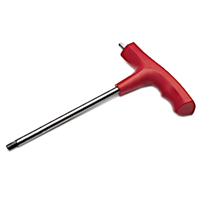
Hex Keys and Allen Keys are used constantly on coil housings, positioning hardware, and modular furniture. Small sets are easy to lose, which is exactly why they should be stocked in non-ferrous versions and kept with the suite's tool kit.

Pliers and Scissors

Pliers and Scissors turn up in nearly every task. Non-magnetic versions allow cutting tape, trimming padding, gripping tubing, and adjusting small hardware without a trip out of the magnet room.

Construction Tools

Construction Tools serve contractors and facilities teams working on renovations, RF shield repairs, ceiling access, or fixture installation near an operating magnet. Non-ferrous Construction Tools let projects move forward without a costly magnet ramp-down.

Titanium Surgical Instruments

Titanium Surgical Instruments support clinical procedures performed in or near the scanner, including MRI-guided biopsy and intraoperative work. Titanium is non-ferromagnetic, which makes it a common choice for instruments used in Zone IV. See the MRI Procedures and Surgical Supplies category for the full range.

Miscellaneous Tools

Miscellaneous tools round out the category with items that do not fit neatly elsewhere but are still needed in the suite. These include titanium wire strippers, sliding tee-drives, ratchets, and more.

How to Choose Non-Magnetic Tools for Your Facility

How to Choose Non-Magnetic Tools for Your Facility

Start with the work you actually do in the magnet room. A biomed technician servicing coils needs a different mix than a contractor cutting drywall, and an imaging center manager may simply want one standardized kit at each scanner.

Consider materials. Non-magnetic tools are commonly made from aluminum bronze, titanium, and certain austenitic stainless steels. Each material trades off differently between hardness, weight, and cost, and some austenitic stainless alloys can become mildly magnetic after cold working. Read the product description for each item rather than assuming all non-ferrous tools behave the same way.

Verify before entry. Even tools purchased as non-magnetic should be checked with a test magnet before they go into Zone IV, and rechecked periodically as items are replaced, as they can easily be mistaken for a traditional, magnetic tool and swapped on accident. MRI Med's MRI Safety Category includes Test Magnets and Ferromagnetic Detection products that make this a quick step.

Plan for storage and labeling. Non-ferrous tools should live in a dedicated, labeled case that stays in Zone III, not in the general facilities shop where they will be mixed with steel. Finally, think about who else enters the suite. Outside contractors and electricians rarely arrive with non-ferrous tools of their own, so a loaner kit and clear signage at the Zone IV entry close a gap many facilities overlook.

Why Order Non-Magnetic Tools from MRI Med

Why Order Non-Magnetic Tools from MRI Med

MRI Med designs, manufactures, and distributes products for the MRI market and is owned and operated by a group with more than 80 years of combined MRI experience. The tools offered here are selected for real MRI room maintenance work, not repurposed from a general industrial supply list.

Because MRI Med serves the whole suite, Non-Magnetic Tools can be ordered alongside MRI Safety products, MRI Suite Furniture, and MRI Carts in one purchase order, which simplifies procurement for radiology managers and purchasing agents. Orders ship from California, and support is available Monday through Friday during Pacific business hours. If you need help building a set for a new suite, call or email MRI Med and a knowledgeable representative will assist.

Frequently Asked Questions

Can you bring regular steel tools into an MRI room?

No. Standard steel hand tools are ferromagnetic and can be pulled into the magnet with dangerous force, injuring staff or patients and damaging the scanner. Because the static field is always on, this risk exists even when no scan is in progress. Only tools that have been verified as non-ferrous and labeled appropriately should enter Zone IV, and they should be kept separate from the general facilities tool supply.

What are non-magnetic tools made of?

Non-Magnetic Tools are typically made from aluminum bronze, titanium, or certain austenitic stainless steels. These materials are non-ferromagnetic, so they are not attracted to the magnet. Each has different hardness and weight characteristics, and some stainless alloys can pick up slight magnetism after cold working, so check the product description and verify each tool with a test magnet before use.

Are non-magnetic tools the same as MR Safe tools?

Not necessarily. MR Safe is an ASTM F2503 term for items that are non-conducting, non-metallic, and non-magnetic, with no known hazards in any MR environment. Metal non-magnetic tools may instead be labeled MR Conditional, meaning they are safe under specified conditions. Read the labeling and confirm that the stated conditions match your scanner's field strength.

What should be in an MRI Tool Kit?

A well-rounded MRI Tool Kit usually includes screwdrivers, hex keys or Allen keys, pliers, wrenches, sockets, and scissors, all in non-magnetic materials and stored in a labeled case. The exact mix depends on the work performed in your suite. MRI Med's Tool Kits offer a convenient starting point, and individual tools can be added to cover specific fastener sizes or tasks.

How do you test whether a tool is non-magnetic?

The quickest field check is a strong handheld test magnet. If the tool shows any attraction, it should not enter Zone IV. Tools should be tested when first purchased and rechecked periodically, since sets change over time as items are replaced.

Who uses non-magnetic tools in an MRI facility?

Biomedical engineering staff, facilities and maintenance crews, scanner service engineers, and outside contractors working on renovations or shield repairs all need non-magnetic tools. Clinical staff may also use titanium instruments during MRI-guided procedures. Any person who performs hands-on work in Zone III or Zone IV should have access to a verified non-ferrous set.