


Item Number: SKU:NF-106
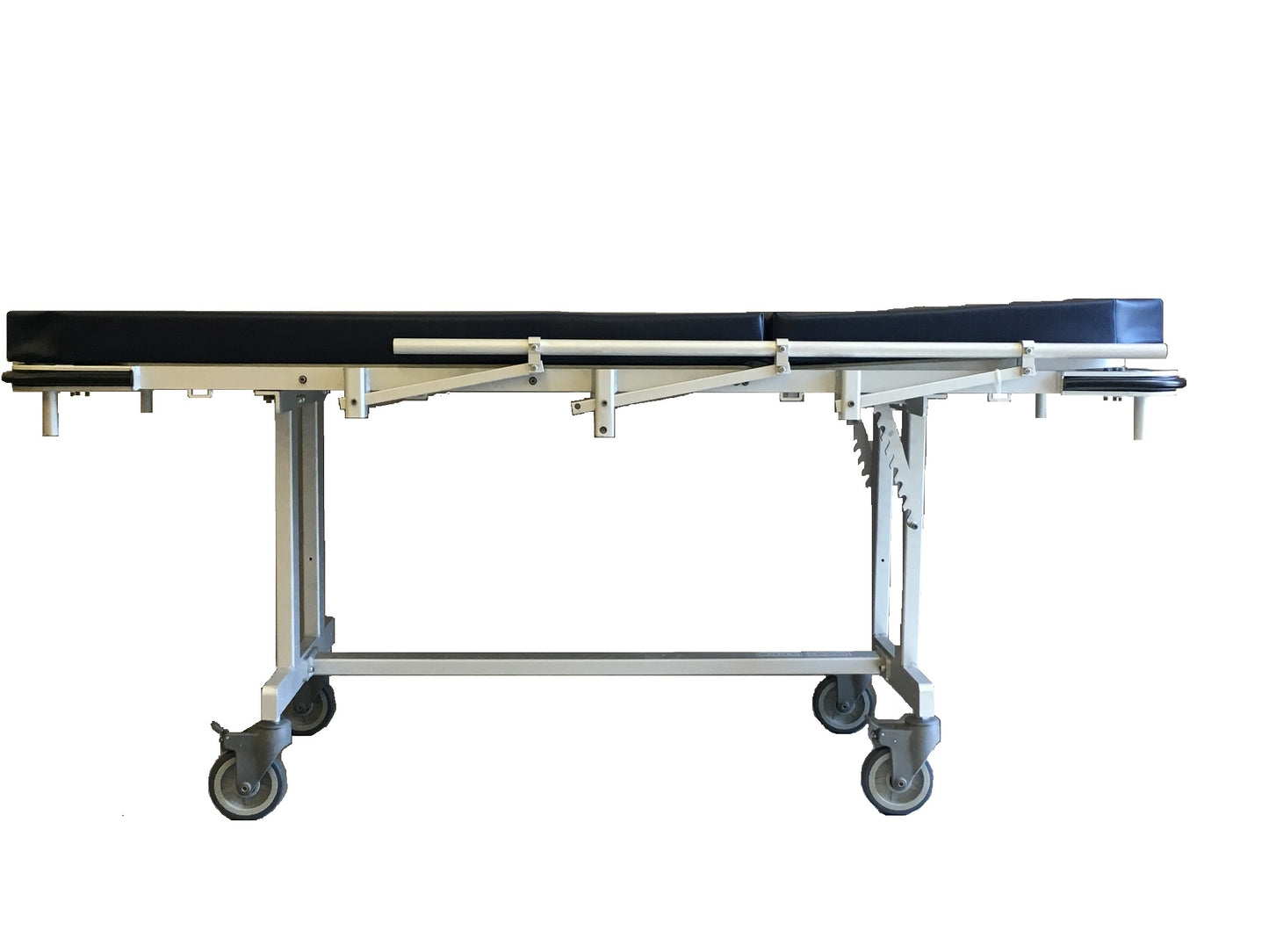
MR Non-Ferrous Stretcher
MR Non-Ferrous Stretcher
 What does this mean?

MR Safe – an item that poses no known hazards in all MRI environments. Using the terminology, “MR Safe” items are non-conducting, non-metallic, and non-magnetic items such as a plastic Petri dish. An item may be determined to be MR Safe by providing a scientifically based rationale rather than test data.

MR Conditional – an item that has been demonstrated to pose no known hazards in a specified MR environment with specified conditions of use. “Field” conditions that define the MR environment include static magnetic field strength, spatial gradient magnetic field, dB/dt (time rate of change of the magnetic field), radio frequency (RF) fields, and specific absorption rate (SAR). Additional conditions, including specific configurations of the item (e.g., the routing of leads used for a neurostimulation system), may be required.

MR Unsafe – An item that is known to pose hazards in all MRI environments. MR Unsafe items include magnetic items such as a pair of ferromagnetic scissors.
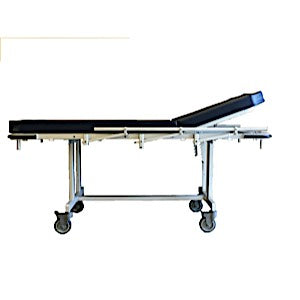
The MR Non-Ferrous Stretcher is a cutting-edge solution meticulously crafted for imaging environments, particularly for use with MRI equipment. Built with non-ferrous materials, this stretcher eliminates interference risks, ensuring optimal performance in MRI settings without sacrificing patient comfort and safety. It boasts a robust aluminum construction, offering exceptional durability with a weight capacity of up to 500 pounds. Designed with healthcare professionals in mind, it features ergonomic and practical enhancements, including fold-down side rails for accessibility, a rubber guard bumper to protect surrounding equipment, and a 0-75 degree adjustable headrest with a supportive 3-inch mattress. These features make the stretcher an indispensable companion for facilities relying on advanced MRI products to deliver precise diagnostic results.
Tested at 7 Tesla for maximum compatibility, the MR Non-Ferrous Stretcher seamlessly integrates into modern imaging workflows. Its lightweight, yet durable frame and four 5-inch heavy-duty locking casters ensure effortless mobility and secure positioning during patient transport near MRI machines. Optional accessories, including an IV pole and an E cylinder tank holder, further enhance its functionality. With a 3-year frame warranty and reliable performance, this stretcher is a vital investment for facilities prioritizing efficient operations and high standards of care in MRI environments. Note that it is specifically intended for MRI-related applications and not for general patient transport.
Overall Dimensions:
- Height: 30" (40" with rails up)
- Rail height: 15"
- Overall length: 80"
- Rail length: 39"
- Width: 27.5"
- Weight: 135 lbs.
Note: Ships via freight
Couldn't load pickup availability
Frequently Asked Questions
Additional Resources

Innovations in MR Conditional Transport Devices (2025 Trends)

Avoiding MRI Suite Accidents During Patient Transfers: Best Practices

Case Study: MRI Transport Efficiency in a Mid-Size Hospital

MR Conditional Wheelchairs vs. Stretchers: Which Is Right for You?

How to Design an MRI Suite Transport Workflow: Step-by-Step Guide

MRI Patient Transport Solutions: Safe and Efficient Options

What Hospitals Get Wrong About MR Safe Equipment

MRI Safety Standards for Medical Equipment in 2025

MR Zones I-IV: Equipment Guidelines You Must Know

ASTM F2503: What It Means for MRI Equipment Buyers

Understanding MR Safe, MR Conditional, and MR Unsafe Labels
