
Skip to product information
1 of 1

Item Number: SKU:PA-705

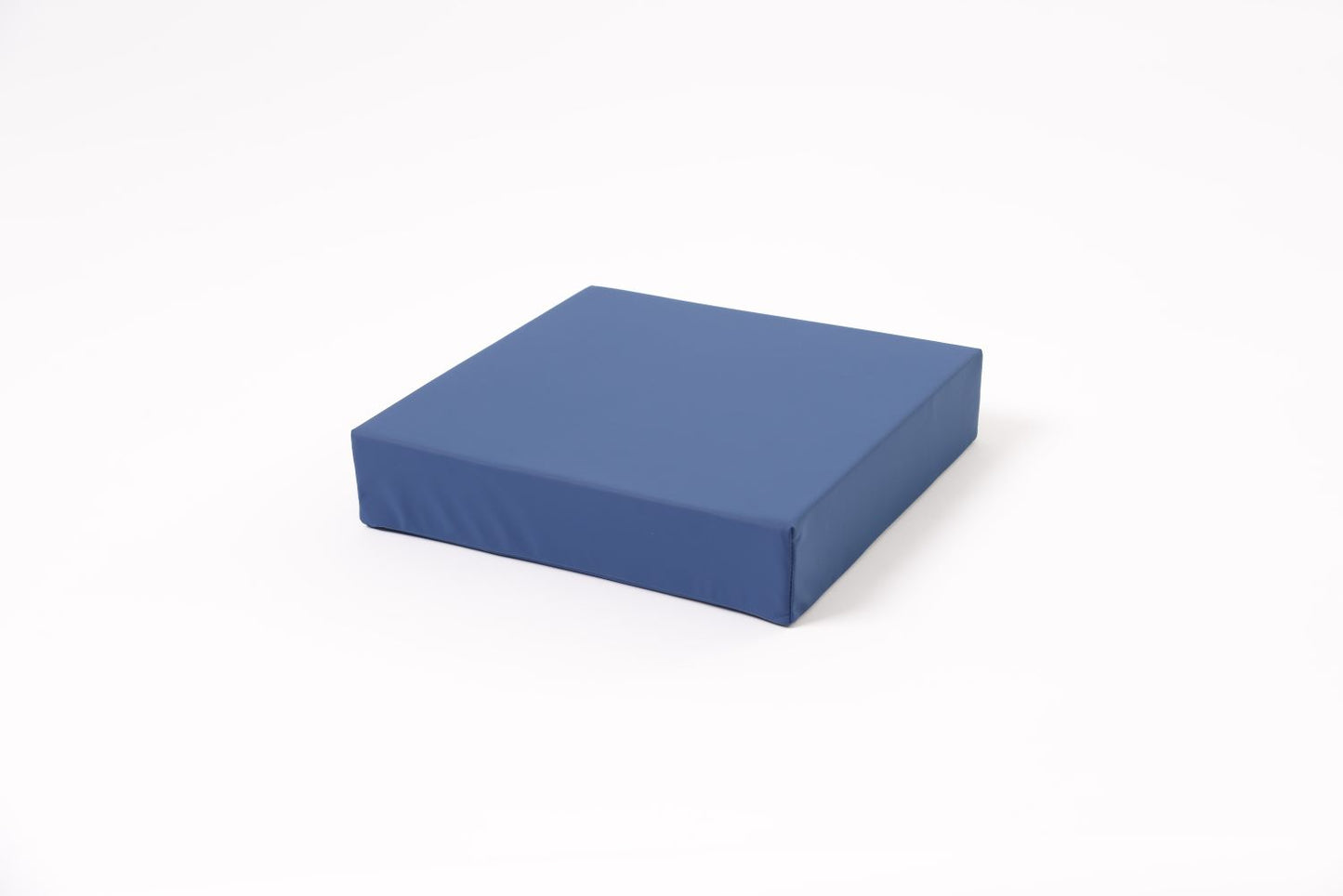
Square Foam Decubitus Positioner

Square Foam Decubitus Positioner

Regular price $245.00
Regular price Sale price $245.00
MR Safe What does this mean?
MR Safe

MR Safe – an item that poses no known hazards in all MRI environments. Using the terminology, “MR Safe” items are non-conducting, non-metallic, and non-magnetic items such as a plastic Petri dish. An item may be determined to be MR Safe by providing a scientifically based rationale rather than test data.

MR Conditional

MR Conditional – an item that has been demonstrated to pose no known hazards in a specified MR environment with specified conditions of use. “Field” conditions that define the MR environment include static magnetic field strength, spatial gradient magnetic field, dB/dt (time rate of change of the magnetic field), radio frequency (RF) fields, and specific absorption rate (SAR). Additional conditions, including specific configurations of the item (e.g., the routing of leads used for a neurostimulation system), may be required.

MR Unsafe

MR Unsafe – An item that is known to pose hazards in all MRI environments. MR Unsafe items include magnetic items such as a pair of ferromagnetic scissors.

Sale
Shipping calculated at checkout.

The square foam patient positioner is designed to provide reliable support and precise positioning during imaging procedures, helping maintain patient comfort and stability throughout the exam. Although commonly used for knee separation, it is also suitable for a variety of other positioning applications. Constructed from high-density urethane foam, it provides medium firmness for dependable support and can be easily cleaned between patient uses. Available in either 2- or 3-inch heights.

Features:

  • Comfortable 2- or 3-inch foam provides stable support and accurate positioning
  • Reliable positioning support for improved patient comfort
  • Durable, fluid-resistant cover is easy to clean and quick to dry
  • Available in multiple sizes for a secure, comfortable fit
  • MR Safe

Overall Dimensions:

  • PA-705: 14"L x 14"W x 2"H, 1 lb.
  • PA-706: 14"L x 14"W x 3"H, 1 lb.
View full details

Frequently Asked Questions

What is a decubitus positioner used for?

A decubitus positioner helps support and stabilize patients during imaging procedures. While commonly used for knee separation, it can also be used for positioning the hips, ankles, shoulders, and other areas where additional support is needed.

Why are positioning aids important during MRI exams?

Comfortable patients are more likely to remain still during an exam. Positioning aids help reduce movement, improve stability, and support consistent patient positioning throughout the imaging process.

How do I choose between the 2-inch and 3-inch versions?

The best size depends on the amount of support or separation required for the specific patient and exam. Many imaging departments keep multiple heights available to accommodate different positioning needs and imaging protocols.

Additional Resources

Innovations in MR Conditional Transport Devices (2025 Trends)

Innovations in MR Conditional Transport Devices (2025 Trends)

The landscape of MRI patient transport is evolving rapidly. Hospitals and imaging centers are pri...
Read more
Avoiding MRI Suite Accidents During Patient Transfers: Best Practices

Avoiding MRI Suite Accidents During Patient Transfers: Best Practices

Patient safety is the top priority in MRI suites. Accidents during patient transfers can lead to ...
Read more
Case Study: MRI Transport Efficiency in a Mid-Size Hospital

Case Study: MRI Transport Efficiency in a Mid-Size Hospital

Efficient MRI patient transport is critical for patient safety, scanner throughput, and overall w...
Read more
MR Conditional Wheelchairs vs. Stretchers: Which Is Right for You?

MR Conditional Wheelchairs vs. Stretchers: Which Is Right for You?

When it comes to MRI patient transport, choosing the right device can dramatically affect both pa...
Read more
How to Design an MRI Suite Transport Workflow: Step-by-Step Guide

How to Design an MRI Suite Transport Workflow: Step-by-Step Guide

Transporting patients safely in an MRI environment is a complex task that combines patient safety...
Read more
MRI Patient Transport Solutions: Safe and Efficient Options

MRI Patient Transport Solutions: Safe and Efficient Options

Moving patients safely in an MRI environment is more than just pushing a stretcher or wheelchair ...
Read more
What Hospitals Get Wrong About MR Safe Equipment

What Hospitals Get Wrong About MR Safe Equipment

Hospitals rely on MRI technology every day for life-saving diagnoses. But many facilities still m...
Read more
MRI Safety Standards for Medical Equipment in 2025

MRI Safety Standards for Medical Equipment in 2025

Medical imaging, particularly MRI, relies on strong magnetic fields to produce detailed diagnosti...
Read more
MR Zones I-IV: Equipment Guidelines You Must Know

MR Zones I-IV: Equipment Guidelines You Must Know

MRI safety is crucial for protecting patients, staff, and imaging equipment. MRI scanners generat...
Read more
ASTM F2503: What It Means for MRI Equipment Buyers

ASTM F2503: What It Means for MRI Equipment Buyers

MRI equipment safety is critical for protecting patients, staff, and ensuring high-quality imagin...
Read more
Understanding MR Safe, MR Conditional, and MR Unsafe Labels

Understanding MR Safe, MR Conditional, and MR Unsafe Labels

Medical imaging, particularly MRI, relies on powerful magnetic fields. Using the wrong type of eq...
Read more
How to Choose MR Safe Equipment: Compliance, Safety, and Zones

How to Choose MR Safe Equipment: Compliance, Safety, and Zones

MRI is one of the most advanced diagnostic tools available today. However, its powerful magnetic ...
Read more