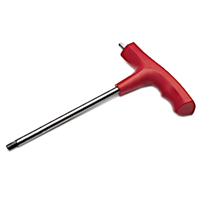


Item Number: SKU:NM01201040012
Titanium Adson-Brown Dissecting Forceps, multiple teeth 120mm - 4 3/4"
Titanium Adson-Brown Dissecting Forceps, multiple teeth 120mm - 4 3/4"
 What does this mean?

MR Safe – an item that poses no known hazards in all MRI environments. Using the terminology, “MR Safe” items are non-conducting, non-metallic, and non-magnetic items such as a plastic Petri dish. An item may be determined to be MR Safe by providing a scientifically based rationale rather than test data.

MR Conditional – an item that has been demonstrated to pose no known hazards in a specified MR environment with specified conditions of use. “Field” conditions that define the MR environment include static magnetic field strength, spatial gradient magnetic field, dB/dt (time rate of change of the magnetic field), radio frequency (RF) fields, and specific absorption rate (SAR). Additional conditions, including specific configurations of the item (e.g., the routing of leads used for a neurostimulation system), may be required.

MR Unsafe – An item that is known to pose hazards in all MRI environments. MR Unsafe items include magnetic items such as a pair of ferromagnetic scissors.
The Titanium Adson-Brown Dissecting Forceps are designed for precision and durability, making them a trusted choice in medical procedures. With multiple teeth and a length of 120mm (4 3/4"), these forceps provide secure handling and optimal control during delicate tasks. Crafted from lightweight titanium, they ensure ease of use while maintaining exceptional strength and resilience.
Engineered for compatibility with advanced medical instruments, this tool is particularly suited for environments requiring specialized equipment, including facilities utilizing MRI products. Its robust construction and high-quality materials make it an indispensable addition to any modern surgical or diagnostic toolkit.
Couldn't load pickup availability

Frequently Asked Questions
Additional Resources

Innovations in MR Conditional Transport Devices (2025 Trends)

Avoiding MRI Suite Accidents During Patient Transfers: Best Practices

Case Study: MRI Transport Efficiency in a Mid-Size Hospital

MR Conditional Wheelchairs vs. Stretchers: Which Is Right for You?

How to Design an MRI Suite Transport Workflow: Step-by-Step Guide

MRI Patient Transport Solutions: Safe and Efficient Options

What Hospitals Get Wrong About MR Safe Equipment

MRI Safety Standards for Medical Equipment in 2025

MR Zones I-IV: Equipment Guidelines You Must Know

ASTM F2503: What It Means for MRI Equipment Buyers

Understanding MR Safe, MR Conditional, and MR Unsafe Labels
