

Item Number: SKU:NM45200470101
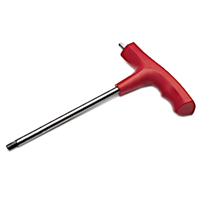
Titanium Malis Micro Scissors, curved down 220mm - 8 5/8"
Titanium Malis Micro Scissors, curved down 220mm - 8 5/8"
 What does this mean?

MR Safe – an item that poses no known hazards in all MRI environments. Using the terminology, “MR Safe” items are non-conducting, non-metallic, and non-magnetic items such as a plastic Petri dish. An item may be determined to be MR Safe by providing a scientifically based rationale rather than test data.

MR Conditional – an item that has been demonstrated to pose no known hazards in a specified MR environment with specified conditions of use. “Field” conditions that define the MR environment include static magnetic field strength, spatial gradient magnetic field, dB/dt (time rate of change of the magnetic field), radio frequency (RF) fields, and specific absorption rate (SAR). Additional conditions, including specific configurations of the item (e.g., the routing of leads used for a neurostimulation system), may be required.

MR Unsafe – An item that is known to pose hazards in all MRI environments. MR Unsafe items include magnetic items such as a pair of ferromagnetic scissors.
The Titanium Malis Micro Scissors, curved down 220mm (8 5/8”), are designed for precision and safety in MRI environments. Crafted from high-grade titanium, these surgical scissors offer exceptional durability and corrosion resistance. The curved-down design provides optimal access and control for delicate procedures, making them an essential addition to any MRI suite.
Key Features
- Non-magnetic, specifically engineered for use in MRI suites
- Precision-crafted titanium construction to ensure strength and lightweight operation
- Curved down design for enhanced accessibility in microsurgical procedures
- 220mm (8 5/8”) length ideal for a wide range of medical applications
- Corrosion resistant for long-lasting performance and hygiene
Couldn't load pickup availability

Frequently Asked Questions
Additional Resources

Innovations in MR Conditional Transport Devices (2025 Trends)

Avoiding MRI Suite Accidents During Patient Transfers: Best Practices

Case Study: MRI Transport Efficiency in a Mid-Size Hospital

MR Conditional Wheelchairs vs. Stretchers: Which Is Right for You?

How to Design an MRI Suite Transport Workflow: Step-by-Step Guide

MRI Patient Transport Solutions: Safe and Efficient Options

What Hospitals Get Wrong About MR Safe Equipment

MRI Safety Standards for Medical Equipment in 2025

MR Zones I-IV: Equipment Guidelines You Must Know

ASTM F2503: What It Means for MRI Equipment Buyers

Understanding MR Safe, MR Conditional, and MR Unsafe Labels
