
Skip to product information
1 of 1

Item Number: SKU:T-SCRS

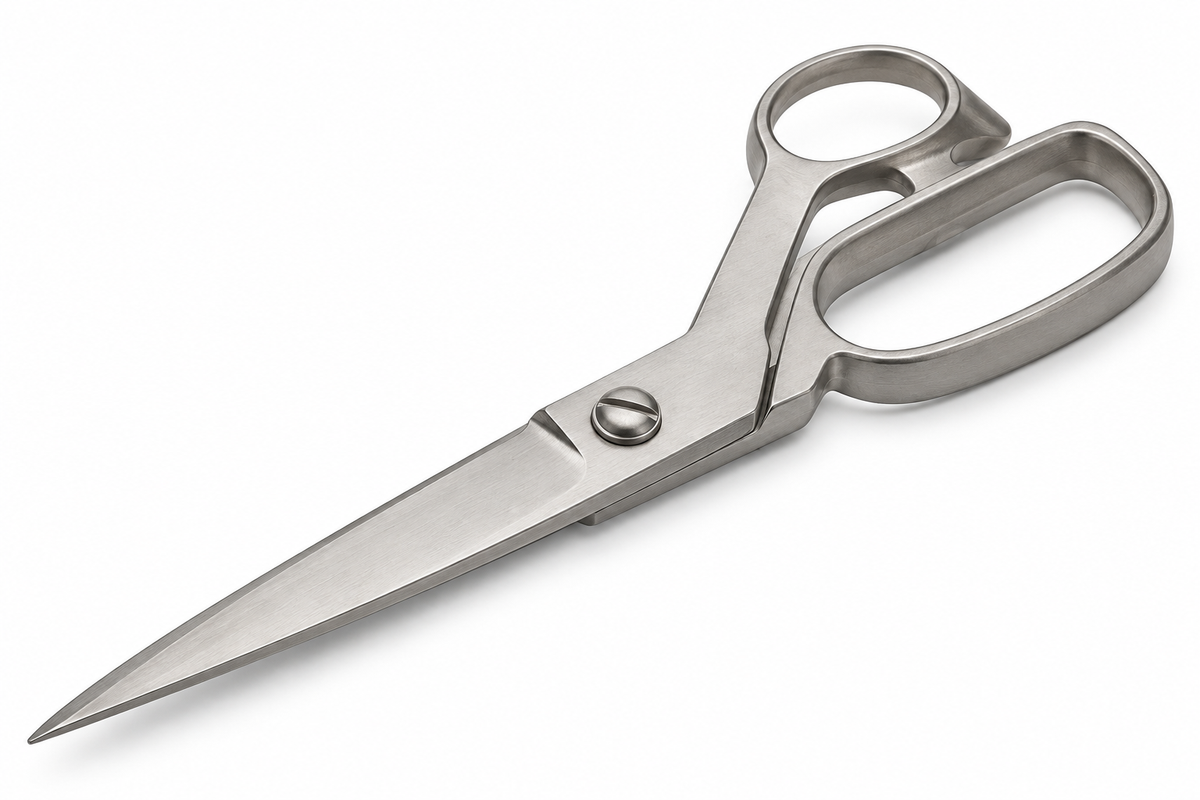
Titanium Scissors

Titanium Scissors

Regular price $379.36
Regular price Sale price $379.36
MR Conditional What does this mean?
MR Safe

MR Safe – an item that poses no known hazards in all MRI environments. Using the terminology, “MR Safe” items are non-conducting, non-metallic, and non-magnetic items such as a plastic Petri dish. An item may be determined to be MR Safe by providing a scientifically based rationale rather than test data.

MR Conditional

MR Conditional – an item that has been demonstrated to pose no known hazards in a specified MR environment with specified conditions of use. “Field” conditions that define the MR environment include static magnetic field strength, spatial gradient magnetic field, dB/dt (time rate of change of the magnetic field), radio frequency (RF) fields, and specific absorption rate (SAR). Additional conditions, including specific configurations of the item (e.g., the routing of leads used for a neurostimulation system), may be required.

MR Unsafe

MR Unsafe – An item that is known to pose hazards in all MRI environments. MR Unsafe items include magnetic items such as a pair of ferromagnetic scissors.

Sale
Shipping calculated at checkout.

Designed for precision and durability, these titanium scissors are an essential tool for maintaining and servicing MRI equipment. Crafted from high-quality titanium, they offer excellent resistance to corrosion and wear, ensuring reliable performance even in demanding conditions. With their sharp, finely honed blades, these scissors are ideal for intricate tasks that require accuracy, making them a valuable addition to the toolkit of professionals working with MRI products.

These titanium scissors combine lightweight construction with superior durability, reducing hand fatigue during extended use while ensuring long-lasting efficiency. Their ergonomic design enhances user comfort and control, making them well-suited for various applications in maintaining MRI equipment. Add these reliable scissors to your professional toolkit to optimize the performance and upkeep of MRI products.

View full details

Frequently Asked Questions

1. Are titanium scissors safe to use around MRI equipment?

Yes. These scissors are made entirely from non-magnetic titanium, so they won’t be pulled toward the magnet or interfere with coils, cables, or other MRI hardware. They’re a reliable choice for any facility that needs non-magnetic scissors for MRI suite maintenance or equipment prep.

2. What types of tasks are these titanium scissors best for in an MRI environment?

They’re designed for precise trimming, cable work, tie-down adjustments, and cutting small materials where accuracy matters. The sharp, lightweight titanium blades give you control in tight spaces, making them ideal for servicing MRI components or doing detail work around electronics.

3. How do titanium scissors hold up to hospital disinfectants and frequent cleaning?

Titanium is naturally corrosion-resistant and tolerant of routine hospital disinfectants, so these scissors maintain their edge and smooth action even with regular wipe-downs. For MRI teams that need durable, non-magnetic scissors that stand up to clinical cleaning, titanium offers long-term performance with minimal upkeep.

Additional Resources

Innovations in MR Conditional Transport Devices (2025 Trends)

Innovations in MR Conditional Transport Devices (2025 Trends)

The landscape of MRI patient transport is evolving rapidly. Hospitals and imaging centers are pri...
Read more
Avoiding MRI Suite Accidents During Patient Transfers: Best Practices

Avoiding MRI Suite Accidents During Patient Transfers: Best Practices

Patient safety is the top priority in MRI suites. Accidents during patient transfers can lead to ...
Read more
Case Study: MRI Transport Efficiency in a Mid-Size Hospital

Case Study: MRI Transport Efficiency in a Mid-Size Hospital

Efficient MRI patient transport is critical for patient safety, scanner throughput, and overall w...
Read more
MR Conditional Wheelchairs vs. Stretchers: Which Is Right for You?

MR Conditional Wheelchairs vs. Stretchers: Which Is Right for You?

When it comes to MRI patient transport, choosing the right device can dramatically affect both pa...
Read more
How to Design an MRI Suite Transport Workflow: Step-by-Step Guide

How to Design an MRI Suite Transport Workflow: Step-by-Step Guide

Transporting patients safely in an MRI environment is a complex task that combines patient safety...
Read more
MRI Patient Transport Solutions: Safe and Efficient Options

MRI Patient Transport Solutions: Safe and Efficient Options

Moving patients safely in an MRI environment is more than just pushing a stretcher or wheelchair ...
Read more
What Hospitals Get Wrong About MR Safe Equipment

What Hospitals Get Wrong About MR Safe Equipment

Hospitals rely on MRI technology every day for life-saving diagnoses. But many facilities still m...
Read more
MRI Safety Standards for Medical Equipment in 2025

MRI Safety Standards for Medical Equipment in 2025

Medical imaging, particularly MRI, relies on strong magnetic fields to produce detailed diagnosti...
Read more
MR Zones I-IV: Equipment Guidelines You Must Know

MR Zones I-IV: Equipment Guidelines You Must Know

MRI safety is crucial for protecting patients, staff, and imaging equipment. MRI scanners generat...
Read more
ASTM F2503: What It Means for MRI Equipment Buyers

ASTM F2503: What It Means for MRI Equipment Buyers

MRI equipment safety is critical for protecting patients, staff, and ensuring high-quality imagin...
Read more
Understanding MR Safe, MR Conditional, and MR Unsafe Labels

Understanding MR Safe, MR Conditional, and MR Unsafe Labels

Medical imaging, particularly MRI, relies on powerful magnetic fields. Using the wrong type of eq...
Read more
How to Choose MR Safe Equipment: Compliance, Safety, and Zones

How to Choose MR Safe Equipment: Compliance, Safety, and Zones

MRI is one of the most advanced diagnostic tools available today. However, its powerful magnetic ...
Read more