
Frequently Asked Questions
General Information
1. Why are MRI Safe supplies necessary?
MRI machines generate powerful magnetic fields that can attract ferromagnetic objects, creating a safety hazard and potentially interfering with imaging results. MRI safety supplies ensure that only compatible and safe materials are used in these environments.
2. What types of products do you sell?
MRImed provides a wide range of MRI-safe supplies including tools, masks, oxygen tanks, safety signs, patient comfort items, and other MRI accessories. You can explore our full product catalog here.
3. Do you ship MRI supplies internationally?
Yes, MRI Med offers international shipping for MRI Safe supplies. Check out our Shipping Policy for more information.
Safety and Compatibility
4. How do I know if an item is MRI Safe?
MRI Safe items are made from non-ferromagnetic materials like specific plastics, ceramics, and other non- metal materials. At MRI Med, all products labeled as MRI Safe or MRI Conditional are tested and certified for use in MRI environments.
5. What should not be brought into an MRI room?
Items like phones and other personal electronics, jewelry, hair pins, watches, and ferromagnetic objects should never enter an MRI room to avoid becoming projectiles and interference with imaging.
6. Can patients wear masks during scans?
Yes, MRI Med offers MRI Safe masks made from non-ferromagnetic materials. These ensure patient safety and comfort during the scan without affecting imaging results.
7. Are your oxygen tanks MRI Safe?
MRI Med supplies MRI Conditional oxygen tanks specifically designed for use in MRI environments.
8. What do I need to know about MRI safety supplies for staff?
Staff working in MRI environments should use appropriate safety supplies such as MRI Safe and Conditional tools, hearing protection, badge holders and clipboards to maintain both patient and operator safety.
Product Recommendations
9. What are some essential MRI accessories?
Some essential MRI accessories include patient positioning aids, MRI Conditional stretchers, MRI Safe headphones, non-magnetic IV poles, and safety signage.
10. Do you provide disposable MRI supplies?
Yes, we offer disposable MRI Safe Sanitary Covers, earplugs, masks, gowns, and other items to maintain hygiene without compromising safety.
11. What are the best tools for MRI rooms?
Non-ferromagnetic tools like MRI Conditional screwdrivers, wrenches, and construction tools are essential for operating and maintaining equipment safely in MRI environments.
12. Can you recommend MRI patient comfort items?
Certainly! MRI Med offers MRI Conditional comfort items such as table cushions, music systems, noise-reducing headphones and prescriptive eyewear to ensure patient comfort during procedures.
Ordering and Support
13. How can I place an order for MRI supplies?
You can browse and purchase MRI supplies directly through our website. If you need assistance, our customer support team is happy to help. Contact us here.
14. Can I get bulk discounts on MRI safety supplies?
Yes, MRI Med offers bulk pricing on many MRI accessories and supplies. Contact our sales team for a custom quote.
15. What should I do if I have questions about a specific product?
Feel free to reach out to us via email, phone, or live chat. Our experts are here to answer all your questions about MRI supplies and accessories.
16. What is your return policy for MRI supplies?
We accept returns on most items within 30 days of purchase, provided they are unused and in their original packaging. See our Return Policy for full details.
17. Can I request product recommendations for specific MRI applications?
Of course! Our team of experts can recommend the best MRI solutions based on your facility's unique requirements. Get in touch with us here.
MRI Safety & Zones
18. What are the four MRI safety zones?
The American College of Radiology (ACR) defines four MRI safety zones to control access and reduce risk near the scanner. Zone I is the general public area outside the MRI facility. Zone II is the interface between public access and the controlled MRI environment, typically where patient screening occurs. Zone III is the restricted area where the magnetic fringe field may pose hazards — only screened personnel and patients are allowed. Zone IV is the MRI scanner room itself, where the static magnetic field is always active and only MR Safe or MR Conditional equipment may enter.
19. What is MRI Zone IV and what equipment is allowed inside it?
MRI Zone IV is the magnet room where the MRI scanner operates and the static magnetic field is always on, even when scans are not in progress. Only equipment labeled MR Safe (green square icon) or MR Conditional (yellow triangle icon) under ASTM F2503 may be brought into Zone IV. This includes non-ferromagnetic wheelchairs, stretchers, IV poles, monitoring devices, and tools made from materials like aluminum, titanium, or certain polymers. Bringing any ferromagnetic object into Zone IV creates a serious projectile risk that can lead to injury or death of patients and staff.
20. Why is the MRI magnet always on even when not scanning?
Superconducting MRI magnets operate continuously because the magnet coil is cooled with liquid helium to near absolute zero, allowing electrical current to flow without resistance indefinitely. Shutting down the magnet (called a quench) is an emergency procedure that boils off helium rapidly and can cost $30,000–$100,000 to re-ramp. This means the projectile risk from ferromagnetic objects exists 24/7, not just during active scans, making MRI safety zone protocols and MR Safe equipment essential at all times.
21. What is a ferromagnetic screening protocol for MRI?
A ferromagnetic screening protocol is a systematic process to ensure no ferromagnetic materials enter the MRI scanner room (Zone IV). It typically involves a written questionnaire asking patients and staff about implants, metallic foreign bodies, and personal items; verbal confirmation by MR-trained personnel (ACR Level 2 MR Personnel); and a physical check using a handheld ferromagnetic detection system such as the Ferralert Solo. The ACR, Joint Commission, and AHRA all recommend multi-layer screening as a mandatory safety practice.
22. What happens if a ferromagnetic object enters an MRI room?
When a ferromagnetic object enters the MRI scanner room, the powerful static magnetic field (typically 1.5T or 3T) can accelerate the object toward the bore at high velocity — this is called the projectile effect or "missile effect." Incidents have caused severe patient injuries, staff injuries, scanner damage costing hundreds of thousands of dollars, and in rare cases, fatalities. Even small items like scissors, or hairpins, all the way to oxygen tanks, can become dangerous projectiles, which is why strict screening protocols and MR Safe equipment are critical.
23. What MRI safety training is required for hospital staff?
The ACR classifies MRI personnel into two levels: Level 1 MR Personnel have passed basic MRI safety education and may work in Zone III under supervision, while Level 2 MR Personnel have received extensive training and are authorized to independently screen patients and supervise Zone IV access. The Joint Commission and many state regulations require documented annual MRI safety training for all staff who work in or near the MRI suite. Training must cover the four-zone model, screening protocols, emergency procedures, and equipment labeling (ASTM F2503).
24. How often should an MRI safety audit be performed?
The ACR recommends that MRI facilities conduct a comprehensive safety audit at least annually, with ongoing spot checks performed regularly. The audit should evaluate zone signage, screening compliance, equipment labeling, emergency preparedness, staff training documentation, and quench pipe integrity. The Joint Commission may also inspect MRI safety compliance during hospital accreditation surveys, typically every three years. Many facilities choose quarterly mini-audits to catch issues before they escalate into regulatory citations or safety incidents.
25. What is the role of an MRI Safety Officer?
An MRI Safety Officer (MRSO) is the designated individual responsible for overseeing MRI safety policies and procedures within a healthcare facility. Responsibilities include maintaining the MRI safety manual, ensuring staff training compliance, reviewing incident reports, managing equipment screening protocols, and serving as the primary contact for regulatory bodies regarding MRI safety. The ACR recommends that every MRI site designate at least one MRSO with ACR Level 2 personnel status and certification through organizations like the ABMRS (American Board of MR Safety).
26. Can patients with implants get an MRI scan?
Whether a patient with an implant can undergo MRI depends on the implant's MRI classification. Implants labeled MR Safe can be scanned without restriction. MR Conditional implants can be scanned only when specific conditions are met — such as field strength limits (e.g., ≤3T), SAR restrictions, and gradient slew rate parameters as specified by the manufacturer. MR Unsafe implants are an absolute contraindication to MRI. Radiologists and MRI technologists must verify the implant model, consult the manufacturer's MRI labeling, and document clearance before scanning.
27. What is an MRI quench and when does it happen?
An MRI quench occurs when the superconducting magnet rapidly loses its superconducting state — learn more about MRI safety protocols, causing the liquid helium coolant to boil off as gas and vent through the quench pipe. This shuts down the magnetic field in seconds but releases a large volume of helium gas that can displace oxygen in the room. A quench may happen spontaneously due to equipment failure or be triggered manually in a life-threatening emergency (such as a patient pinned by a ferromagnetic object). Intentional quenches are extremely rare because they cost $30,000–$100,000+ to recover from and leave the scanner offline for days or weeks.
28. What are the most common MRI safety violations found during inspections?
The most common MRI safety violations cited by The Joint Commission and state inspectors include: missing or inadequate zone signage (especially at Zone III/IV boundaries), incomplete patient screening documentation, unlabeled or mislabeled equipment in the MRI suite, lack of current staff training records, improperly secured Zone IV access points, and missing or untested emergency equipment such as MR Conditional fire extinguishers. Facilities should reference ACR guidance documents and ASTM F2503 standards to ensure full compliance and avoid citations.
29. What is the difference between Zone III and Zone IV in an MRI facility?
Zone III is the controlled access area immediately outside the MRI scanner room where the fringe magnetic field may still affect ferromagnetic objects and electronic devices — access is restricted to screened individuals only and typically requires a locked door or supervised entry point. Zone IV is the MRI scanner room itself where the full static magnetic field is active at all times. The key distinction is that Zone III serves as the final checkpoint before Zone IV entry, and all equipment in Zone IV must carry MR Safe or MR Conditional labeling per ASTM F2503.
MR Safe vs MR Conditional Equipment
30. What does MR Safe mean?
MR Safe means an item poses no known hazards in any MRI environment. Under the ASTM F2503 standard, MR Safe items are made entirely of non-metallic, non-magnetic, non-conductive materials such as certain plastics, ceramics, or glass. The MR Safe icon is a green square with the letters "MR" inside. These items can be used in any MRI scanner at any field strength without restrictions. Examples include plastic clipboards, certain positioning pads, and some non-metallic patient comfort items available from MRIMed.com.
31. What does MR Conditional mean?
MR Conditional means an item has been demonstrated to pose no known hazards in a specified MRI environment under defined conditions. Per ASTM F2503, MR Conditional items carry a yellow triangle icon with "MR" inside and must include documentation specifying the exact conditions for safe use — such as maximum static magnetic field strength (e.g., 1.5T or 3T), maximum spatial gradient, and maximum SAR. Most MRI suite equipment like wheelchairs, stretchers, carts, and monitoring devices are classified as MR Conditional rather than MR Safe because they contain some metal components.
32. What does MR Unsafe mean?
MR Unsafe means an item is known to pose hazards in all MRI environments. Under ASTM F2503, MR Unsafe items are identified by a red circle with a diagonal line through "MR." These items contain ferromagnetic materials that can become projectiles in the magnetic field, may cause burns from induced currents, or can malfunction near the scanner. Standard hospital wheelchairs, oxygen cylinders with steel components, most surgical instruments, and personal electronics are all MR Unsafe. These items must never enter Zone III or Zone IV of an MRI facility.
33. What is ASTM F2503 and why does it matter for MRI equipment?
ASTM F2503 is the international standard titled "Standard Practice for Marking Medical Devices and Other Items for Safety in the Magnetic Resonance Environment." It establishes the three-tier labeling system (MR Safe, MR Conditional, MR Unsafe) with standardized icons and documentation requirements that manufacturers must follow. The standard is referenced by the FDA, ACR, and Joint Commission as the definitive framework for MRI equipment safety classification. Any equipment purchased for an MRI suite should carry ASTM F2503-compliant labeling — equipment sold on MRIMed.com includes this classification information.
34. What is the difference between MR Safe and MR Conditional?
The key difference is that MR Safe items are safe in all MRI environments without restrictions, while MR Conditional items are only safe under specific, documented conditions. MR Safe items contain no metal of any kind — they are entirely non-metallic, non-magnetic, and non-conductive. MR Conditional items may contain some metals (like aluminum or titanium) but have been tested and proven safe within defined parameters such as field strength ≤3T and specific SAR limits. In practice, most MRI suite equipment — wheelchairs, carts, stretchers, monitoring devices — is MR Conditional because functional medical equipment often requires some metallic components.
35. How do I read MR Conditional labeling on equipment?
MR Conditional labeling includes the yellow triangle icon plus specific conditions that must be met for safe use. You should look for: the maximum static magnetic field strength (e.g., "3T or less"), maximum spatial gradient (e.g., "720 gauss/cm or less"), maximum RF field (expressed as SAR or B1+rms), and any positional or operational restrictions. This information is typically on the product label, in the user manual, and on the manufacturer's website. If any condition cannot be verified or met, the item should be treated as MR Unsafe. MRIMed.com lists the MR classification and conditions for every product they sell.
36. Can MR Conditional equipment become unsafe?
Yes, MR Conditional equipment can become unsafe if it is used outside its documented conditions or if it has been modified, damaged, or repaired with non-original parts. For example, an MR Conditional wheelchair rated to 3T becomes unsafe in a 7T research scanner. Similarly, replacing an aluminum bolt with a steel bolt during a repair can introduce ferromagnetic material. Equipment should be regularly inspected, re-tested with a handheld magnet after any repair, and retired if its labeling conditions can no longer be verified. Facilities should maintain a log of all MR Conditional equipment and their specific conditions.
37. What is IEC 62570 and how does it relate to ASTM F2503?
IEC 62570 is the international equivalent of ASTM F2503, published by the International Electrotechnical Commission. It defines the same three-tier MRI safety classification system (MR Safe, MR Conditional, MR Unsafe) and uses the same standardized icons. While ASTM F2503 is predominantly referenced in North America, IEC 62570 is the standard used in Europe, Asia, and other international markets. Both standards are functionally aligned, so equipment labeled under either standard uses identical safety categories and testing requirements. The FDA recognizes both standards for regulatory submissions.
38. How do you test whether equipment is safe for an MRI room?
Equipment testing for MRI safety involves three main assessments per ASTM F2503: magnetically induced displacement force testing (ASTM F2052) measures how strongly the magnet pulls on the device; magnetically induced torque testing (ASTM F2213) measures rotational force from the field; and RF-induced heating testing (ASTM F2182) measures temperature rise during scanning. Additionally, image artifact testing evaluates whether the equipment distorts MRI images. A simple field check with a handheld ferromagnetic detection wand (available at MRIMed.com) can identify ferromagnetic components, but full ASTM testing requires specialized lab equipment.
39. What should I do with equipment that has no MRI safety label?
Equipment without an MRI safety label should be treated as MR Unsafe and must not enter Zone III or Zone IV until its safety status is determined. Contact the manufacturer to request MRI testing data or an ASTM F2503 classification. If manufacturer data is unavailable, the equipment can be tested by a qualified MRI safety consultant or physicist using ASTM test methods. As a quick preliminary check, use a handheld ferromagnetic detection wand — but note that passing a magnet test alone does not confirm MR Conditional status, as RF heating and artifact testing are also required.
MRI Carts & Mobile Equipment
40. What types of MR Conditional carts are available?
MR Conditional carts come in several configurations to serve different clinical needs: utility carts for general supplies and transport, crash carts stocked for cardiac emergencies, anesthesia carts equipped for sedation and airway management, linen carts for clean supplies, and specialty carts like cylinder carts for oxygen tank storage. These carts are constructed from non-ferromagnetic materials such as aluminum, fiberglass, or engineered polymers and carry MR Conditional labeling under ASTM F2503. MRIMed.com offers a full range of MRI carts with configurations designed for Zone III and Zone IV use.
41. What makes a cart MR Conditional instead of MR Unsafe?
A cart is classified MR Conditional when it is constructed entirely from non-ferromagnetic materials — such as aluminum frames, polymer shelves, and non-magnetic casters — and has passed ASTM testing for magnetically induced force, torque, and RF heating within specified field conditions. Standard hospital carts are MR Unsafe because they contain steel frames, ferromagnetic casters, and steel drawer slides that become dangerous projectiles near the MRI scanner. Even small ferromagnetic components like screws, springs, or wheel bearings can disqualify a cart, which is why purpose-built MRI carts from suppliers like MRIMed.com are essential.
42. How do I choose the right MRI cart for my facility?
Choosing the right MRI cart depends on clinical use case, suite layout, and scanner field strength. Consider: the cart's intended function (utility, crash, anesthesia, linen), the number and configuration of drawers or shelves needed, weight capacity requirements, overall dimensions relative to your MRI suite doorways and corridors, and the MR Conditional field strength rating (most carts are rated to 3T). Also evaluate caster quality for smooth rolling on MRI suite flooring, locking mechanisms for safety, and whether accessories like IV pole attachments or oxygen cylinder holders are needed.
43. Can I use a regular hospital cart in the MRI room?
No — standard hospital carts are MR Unsafe and must never enter the MRI scanner room (Zone IV) or even Zone III in most cases. Regular carts contain ferromagnetic steel frames, steel casters, and steel hardware that will be attracted to the MRI magnet with tremendous force, creating a projectile hazard that can injure patients and staff and damage the scanner. Facilities must use purpose-built MR Conditional or MR Safe carts that have been tested under ASTM F2503. Using a regular cart in the MRI room is one of the most commonly cited safety violations by The Joint Commission.
44. What materials are MRI carts made from?
MRI carts are typically constructed from non-ferromagnetic materials such as aluminum (for frames and structural components), high-density polyethylene or ABS polymer (for shelves, drawer bodies, and work surfaces), stainless steel or brass (for hardware like screws and latches where some metal is required), and non-magnetic nylon or polyurethane casters. These materials have minimal magnetic susceptibility and do not become projectiles in the MRI field. Each component must be verified as non-ferromagnetic to maintain the cart's MR Conditional classification.
45. How much do carts compatible for MRI cost?
MR Conditional cart prices vary significantly based on type and configuration. Basic MR Conditional utility carts with two or three shelves typically range from $300–$800. MRI crash carts with full drawer configurations run $2,000–$5,000+ depending on size and accessories. MRI anesthesia carts range from $3,000–$7,000 depending on drawer count and built-in features. Premium configurations with accessories like IV poles, cylinder holders, and racks or storage containers increase costs further. While more expensive than standard hospital carts, the safety compliance and risk mitigation they provide makes them a regulatory necessity. MRIMed.com offers competitive pricing across all cart types.
46. What is the weight capacity of a typical MRI cart?
Most MR Conditional utility carts support 200–400 lbs distributed across their shelves, while heavy-duty MRI carts may handle 500+ lbs. MRI crash carts are typically rated for 250–400 lbs to accommodate the weight of emergency supplies, a defibrillator, and medications. Always check the manufacturer's specified weight capacity, as overloading can compromise caster function and structural integrity. The weight rating is part of the MR Conditional specifications and exceeding it may void the safety classification. MRIMed.com lists weight capacities for all cart models on their product pages.
47. How do you maintain and inspect MRI carts?
MRI carts should be inspected monthly at minimum, with documentation kept for regulatory compliance. Key inspection points include: checking all casters for smooth operation and non-magnetic integrity, examining drawer slides and latches for wear or replacement with unauthorized parts, verifying that no ferromagnetic items have been placed on or in the cart, confirming that MR Conditional labels are intact and legible, and testing all locking mechanisms. After any repair, re-verify the cart with a handheld ferromagnetic detection wand. Keep a maintenance log for each cart — The Joint Commission may request this documentation during accreditation surveys.
48. What MR Safe or MR Conditional mobile furniture is available besides carts?
Beyond carts, MRI suites require a variety of MR Conditional mobile furniture including: height-adjustable stretchers and gurneys for patient transport, non-magnetic wheelchairs (standard and bariatric sizes), Mayo stands and instrument tables for procedures, step stools with non-magnetic frames, adjustable-height doctor's stools and office chairs, hampers and privacy screens, and linen storage units. All of these must be constructed from non-ferromagnetic materials and carry ASTM F2503 labeling. MRIMed.com carries a comprehensive selection of MRI suite furniture across these categories.
49. Are wheelchairs compatible for MRI different from standard wheelchairs?
Yes, MRI wheelchairs differ significantly from standard wheelchairs. Standard wheelchairs contain ferromagnetic steel in their frames, axles, wheel rims, and fasteners — making them extremely dangerous near MRI scanners. MR Conditional wheelchairs are built with aluminum frames, non-magnetic bearings, polymer components, and non-ferromagnetic fasteners. They undergo ASTM testing to verify safety at specific field strengths (typically up to 3T). MR Conditional wheelchairs are available in standard widths (18"–20") and bariatric sizes (22"–26") with features like flip-up arms and removable footrests. MRIMed.com offers MR Conditional wheelchairs starting at approximately $1,500–$3,000.
MRI Crash Carts & Emergency
50. What should be in an MRI crash cart?
An MRI crash cart should contain all the emergency supplies needed for a Code Blue response in the MRI suite, with every item being MR Safe or MR Conditional. Essential contents include: an MR Conditional defibrillator/monitor, MR Conditional laryngoscope and airway management supplies, non-ferromagnetic suction device, MR Conditional oxygen cylinder with a non-magnetic regulator, IV supplies and emergency medications (epinephrine, atropine, amiodarone, etc.), non-ferromagnetic stethoscope, and an MR Conditional fire extinguisher. The ACR and Joint Commission expect the crash cart to be stocked, sealed, and inspected on a regular schedule.
51. Why can't you use a regular crash cart in the MRI room?
A regular, MR Unsafe, crash cart is filled with ferromagnetic components — steel frame, steel drawers, steel casters, and standard medical equipment with ferromagnetic parts — that would become violent projectiles in the MRI magnetic field. Beyond the cart itself, standard crash cart contents like conventional laryngoscopes, steel suction tips, and standard oxygen cylinders are also MR Unsafe. Using a regular crash cart in Zone IV during an emergency would compound the crisis by causing additional injuries and scanner damage. Facilities must maintain a dedicated MR Conditional crash cart specifically stocked for MRI emergencies.
52. Where should an MRI crash cart be located — Zone III or Zone IV?
The optimal placement depends on facility layout and response time requirements. Most MRI safety experts and the ACR recommend keeping the MRI crash cart in Zone III, immediately adjacent to the Zone IV entrance. This placement keeps the cart accessible while avoiding unnecessary exposure to the magnetic field, which can gradually magnetize components over time. Some facilities with multiple scan rooms stage the crash cart in a central Zone III corridor. The key requirements are that the cart must be reachable within 60 seconds of an emergency code call and that a clear, unobstructed path exists between the cart and the scanner room.
53. How do you handle a Code Blue emergency in the MRI suite?
MRI Code Blue protocols differ from standard hospital codes. The immediate priorities are: (1) remove the patient from Zone IV if possible — transfer to a Zone III-safe area or designated resuscitation room, (2) begin standard ACLS protocols using only MR Conditional equipment from the MRI crash cart, (3) call the hospital code team and designate someone to screen responders at the Zone III/IV boundary to prevent them from bringing ferromagnetic equipment, and (4) only use the emergency quench button as an absolute last resort if the patient cannot be removed. Regular MRI emergency drills — at least twice annually — are critical for ensuring staff readiness.
54. How often should an MRI crash cart be inspected?
MRI crash carts should be inspected at least daily for seal integrity (tamper-evident locks), with a full inventory check performed monthly. During the monthly check, verify that all medications are within their expiration dates, all equipment is functional (test the defibrillator, laryngoscope light, suction), oxygen cylinders are adequately filled, and batteries are charged. A complete re-stock verification with documentation should occur quarterly. The Joint Commission and most hospital accreditation bodies require a documented inspection log — failing to maintain this documentation is a common citation during MRI safety audits.
55. What MRI-compatible defibrillators are available?
Several manufacturers produce implantable, MR Conditional defibrillators designed for use in Zone III or Zone IV under specified conditions. However, external defibrillators typically carry restrictions that require them to remain outside of Zone IV. Due to the high cost ($15,000–$30,000+), most facilities rely on rapid patient extraction to a Zone III resuscitation area, where a standard defibrillator can be used safely.
56. What fire safety equipment is required in an MRI suite?
MRI suites require MR Conditional fire extinguishers that can be used inside Zone IV without creating a projectile hazard. Standard ABC fire extinguishers contain steel cylinders and valves that are MR Unsafe. MR Conditional fire extinguishers use aluminum cylinders and non-ferromagnetic components and are available in ABC dry chemical and CO₂ configurations. Additionally, the MRI suite should have a clearly marked evacuation route, and staff should be trained to evacuate patients from Zone IV before fighting a fire. MRIMed.com carries disposable MR Conditional ABC fire extinguishers designed specifically for Zone IV placement.
57. What is an MRI emergency preparedness plan?
An MRI emergency preparedness plan is a facility-specific written protocol that covers every foreseeable emergency scenario in the MRI suite. It should address: Code Blue (cardiac arrest) procedures with patient extraction steps, fire evacuation from Zone IV, quench emergency response including helium venting risks, projectile incident response, patient thermal burn protocols, adverse contrast reaction management, and power failure procedures. The plan must designate roles and responsibilities, specify the location of MR Conditional emergency equipment, include staff training schedules (minimum twice-yearly drills), and be reviewed annually. The ACR and Joint Commission both require a documented MRI emergency plan.
MRI Anesthesia Equipment
58. What is an MRI anesthesia cart and what goes in it?
An MRI anesthesia cart is a non-ferromagnetic cart specifically configured to hold all supplies needed for sedation and general anesthesia in the MRI suite. Typical contents include: MR Conditional airway management equipment (laryngoscope, endotracheal tubes, oral airways), an MR Conditional anesthesia ventilator or manual ventilation bag, monitoring cables and sensors compatible with MRI monitoring systems, sedation and anesthetic medications, IV supplies and infusion equipment, and emergency reversal agents (naloxone, flumazenil). The cart is organized with color-coded drawers following the institutional standard for quick access during procedures.
59. What is the difference between an MRI crash cart and an MRI anesthesia cart?
An MRI crash cart is stocked for emergency cardiac resuscitation and typically contains a defibrillator, ACLS medications, and emergency airway equipment — it is used when a patient's life is in immediate danger. An MRI anesthesia cart is designed for daily, planned sedation and anesthesia during MRI procedures, containing anesthetic agents, monitoring equipment, ventilation supplies, and sedation medications. While there is some overlap in contents (both need airway management supplies), the crash cart prioritizes emergency response speed while the anesthesia cart supports sustained sedation management.
60. Can standard anesthesia machines and carts be used in the MRI room?
No — standard anesthesia machines and carts contain numerous ferromagnetic components (steel regulators, magnetic valves, ferrous gas cylinders) and are MR Unsafe. MRI suites that require general anesthesia must use purpose-built MR Conditional anesthesia workstations or ventilators that have been specifically designed and tested for the MRI magnetic field environment. These systems use non-ferromagnetic materials, longer patient circuits to allow equipment placement outside the highest field areas, and MRI monitoring connections. MR Conditional anesthesia ventilators are available at MRIMed.com.
61. How do you set up anesthesia for an MRI procedure?
Setting up anesthesia in the MRI suite requires careful planning because of equipment restrictions and distance constraints. Key steps include: positioning the MR Conditional anesthesia ventilator or manual ventilation system at the maximum safe distance from the bore (typically near the Zone IV entrance), extending patient circuits with MR Safe or MR Conditional breathing hoses, connecting MR Conditional monitoring leads (ECG, pulse oximetry, capnography, blood pressure), securing IV access with extended non-magnetic tubing, and pre-positioning all medications and emergency supplies on the MRI anesthesia cart. A pre-procedure checklist helps ensure nothing is missed.
62. When is sedation or general anesthesia required for MRI?
Sedation or general anesthesia during MRI is most commonly required for: pediatric patients (especially children under 6–7 who cannot remain still), claustrophobic patients who cannot tolerate the enclosed bore, patients with severe anxiety or movement disorders, lengthy MRI protocols exceeding 45–60 minutes, interventional MRI procedures such as biopsies, and critically ill or ventilator-dependent patients who need continuous monitoring. The choice between conscious sedation and general anesthesia depends on patient factors, procedure length, and facility capabilities. All sedation equipment in the MRI suite must be MR Conditional or MR Safe.
63. What MR Conditional laryngoscopes are available?
MR Conditional laryngoscopes use non-ferromagnetic handles and blades made from materials like aluminum, titanium, or fiber-reinforced polymer, with LED light sources powered by non-magnetic batteries. Unlike standard laryngoscopes — which contain steel blades, magnetic battery contacts, and ferromagnetic bulb housings — MR Conditional models have been tested under ASTM F2503 for safe use up to 3T. Both reusable and disposable MR Conditional laryngoscope options are available. MRIMed.com carries MR Conditional laryngoscopes in multiple blade sizes (Miller and Macintosh configurations) for both adult and pediatric airway management.
64. How do you monitor a patient under anesthesia during an MRI?
Monitoring an anesthetized patient during MRI requires monitoring equipment that provides continuous vital sign data without interfering with image quality. Standard monitoring includes: MR Conditional pulse oximetry (using fiber-optic sensors), MR Conditional ECG with specialized lead placement to minimize RF-induced artifact, non-invasive blood pressure monitoring with extended non-magnetic tubing, capnography (end-tidal CO₂) for ventilated patients, and temperature monitoring. All connections between the patient and monitoring equipment must use MR Safe or MR Conditional cables to prevent RF burns. The monitoring display is typically positioned in the control room with visibility through the RF-shielded window.
65. What are the risks of sedation in the MRI environment?
Sedation in the MRI environment carries unique risks beyond standard sedation concerns. The enclosed MRI bore limits access to the patient's airway if complications occur, requiring patient extraction before definitive airway management. The loud scanner noise (up to 110+ dB) can mask audible alarms and changes in patient condition. MR Conditional monitoring equipment, while functional, may produce more artifacts than standard monitors, potentially masking subtle vital sign changes. Additionally, the distance between the patient in the bore and the anesthesia team creates response time delays. These risks make pre-procedure planning, proper MR Conditional equipment, and trained MRI anesthesia personnel essential.
MRI Oxygen & Gas Management
66. Can you bring an oxygen tank into an MRI room?
You can bring an oxygen tank into an MRI room only if it is an MR Conditional cylinder made from non-ferromagnetic materials such as aluminum. Standard steel or chromoly oxygen cylinders are MR Unsafe and are one of the most commonly cited projectile hazards in MRI incident reports — a steel E-cylinder can accelerate toward the magnet at lethal velocity. MR Conditional aluminum oxygen cylinders are available in D and E sizes and must be paired with non-magnetic regulators and flowmeters. MRIMed.com supplies MR Conditional aluminum oxygen cylinders and compatible regulators specifically rated for use up to 3T.
67. What happens if a standard steel oxygen tank enters the MRI room?
A standard steel oxygen tank near an MRI scanner will be violently pulled toward the magnet bore at potentially lethal speed — this is one of the most dangerous MRI projectile scenarios and has caused documented fatalities. The magnetic force on a steel E-cylinder near a 1.5T or 3T scanner can exceed hundreds of pounds, making it impossible to hold back by hand. Beyond the projectile impact, a ruptured oxygen tank in the MRI room also creates a fire and asphyxiation hazard from released pressurized oxygen. This scenario is a primary reason why MRI facilities use ferromagnetic detection systems and require MR Conditional aluminum cylinders exclusively.
68. What is an MR Conditional oxygen regulator?
An MR Conditional oxygen regulator is a pressure-reducing device designed to connect to an MR Conditional aluminum oxygen cylinder and deliver controlled oxygen flow to the patient inside the MRI suite. Unlike standard brass or chrome-plated steel regulators, MR Conditional models are constructed from aluminum and non-ferromagnetic alloys with non-magnetic gauges and fittings. They are tested under ASTM F2503 for safe use at specific MRI field strengths (typically up to 3T). The regulator must be paired with the correct cylinder pin configuration (CGA 870 for E-cylinders) and should include a non-magnetic flowmeter for precise oxygen delivery.
69. What is the difference between portable oxygen and wall-piped oxygen in an MRI suite?
Portable MR Conditional oxygen cylinders (aluminum D or E size) provide mobile oxygen delivery anywhere in the MRI suite, making them essential for patient transport and emergency situations. Wall-piped oxygen systems deliver oxygen through the facility's central piped gas system with MR Conditional wall outlets in Zone IV — these provide unlimited supply but require fixed connections. Most MRI suites use wall-piped oxygen as the primary source during scanning and maintain MR Conditional portable cylinders as backup for transport and emergencies. Both systems require non-magnetic regulators and flowmeters where patients connect.
70. What are MR Conditional flowmeters and why are they needed?
MR Conditional flowmeters are non-ferromagnetic devices used to regulate and measure the rate of oxygen or medical air delivery in the MRI suite. Standard flowmeters contain steel housings, magnetic ball-float mechanisms, and ferromagnetic fittings that make them MR Unsafe. MR Conditional flowmeters use aluminum bodies, non-magnetic flow indicators, and polymer components tested under ASTM F2503. They are essential for precise gas delivery during sedation cases, pediatric procedures, and patient oxygen supplementation. Without an MR Conditional flowmeter, clinicians cannot safely and accurately control gas flow rates in Zone IV.
71. Can nitrous oxide be used in an MRI suite?
Yes, nitrous oxide can be administered in an MRI suite for sedation purposes, but only using MR Conditional delivery equipment. The nitrous oxide cylinder must be aluminum (non-ferromagnetic), and the regulator, flowmeter, and delivery system must all be MR Conditional. Standard nitrous oxide scavenging systems may also need MR Conditional modifications. MRIMed.com carries MR Conditional nitrous oxide E-cylinders specifically designed for MRI use. Proper ventilation in the MRI suite is critical when using nitrous oxide to prevent occupational exposure to waste anesthetic gas — the same OSHA guidelines that apply to operating rooms apply to MRI suites.
72. How should MRI oxygen cylinders be stored?
MR Conditional oxygen cylinders should be stored in a designated area within Zone III, secured in an MR Conditional cylinder rack or holder to prevent tipping. Cylinders should be stored away from heat sources, clearly labeled with their MR Conditional status, and inventoried regularly. Full and empty cylinders should be separated and clearly identified. Never store cylinders directly on the floor where they can roll, and ensure storage areas comply with NFPA 99 requirements for medical gas storage. MR Conditional cylinder carts and wall-mounted holders are available from MRIMed.com for organized, compliant storage in the MRI suite.
73. What vacuum regulators are used in MRI suites?
MR Conditional vacuum regulators are used to provide suction in MRI suites for airway management, fluid drainage, and procedural needs. Like oxygen regulators, standard vacuum regulators contain ferromagnetic components that make them MR Unsafe. MR Conditional models are constructed from aluminum and non-magnetic alloys, with non-magnetic gauges and polymer collection canisters. They connect to the facility's wall-piped vacuum system in Zone IV or can be used with portable MR Conditional suction devices. Vacuum regulators are especially critical for anesthesia and emergency setups and should be included in both the anesthesia cart and crash cart inventories.
Non-Magnetic Tools & Maintenance
74. Why are non-magnetic tools required in MRI suites?
Non-magnetic tools are required in MRI suites because standard steel tools are ferromagnetic and become dangerous projectiles when exposed to the MRI scanner's powerful magnetic field. Even a small steel screwdriver can accelerate toward the magnet bore with enough force to cause serious injury. Beyond projectile risk, ferromagnetic tools left near the scanner can degrade image quality by creating field distortions. All tools used for maintenance, equipment adjustment, or construction within Zone III and Zone IV must be made from non-ferromagnetic materials such as titanium, beryllium copper, or aluminum. MRIMed.com carries a full range of non-magnetic tool kits for MRI environments.
75. What materials are non-magnetic MRI tools made from?
Non-magnetic MRI tools are made primarily from three materials: titanium (Grade 2 or Grade 5), which offers excellent strength-to-weight ratio and complete non-magnetism; beryllium copper, which provides spark-resistant properties ideal for environments with oxygen; and aluminum alloys, which are lightweight and non-magnetic but less durable for heavy-use applications. Some tools also incorporate fiberglass handles and polymer grips. Titanium is the gold standard for MRI surgical instruments and precision tools because it combines non-magnetic properties with the durability and hardness needed for professional use.
76. What non-magnetic tools should every MRI suite have?
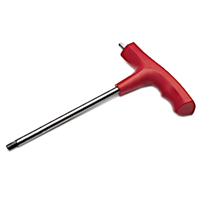
Every MRI suite should stock a basic non-magnetic tool kit including: screwdrivers (Phillips and flathead in multiple sizes), hex/Allen key sets (metric and imperial), adjustable wrench, socket set, pliers, hammer, tape measure, flashlight, scissors, and utility knife. For facilities that perform their own equipment maintenance, a more comprehensive kit should include: titanium inspection mirror, extension bars, socket adapters, and specialty tools matched to installed equipment. Pre-assembled MRI tool kits from MRIMed.com are available in configurations ranging from basic 3-piece sets to comprehensive 35-piece professional kits designed for specific scanner brands (GE, Siemens, Philips).
77. How much do non-magnetic MRI tools cost compared to regular tools?
Non-magnetic MRI tools cost significantly more than standard steel tools due to the premium materials and specialized manufacturing processes involved. A single titanium screwdriver typically costs $30–$80 compared to $5–$15 for a standard steel equivalent. Complete MRI tool kits range from approximately $100 for a basic 3-piece set to $2,500–$3,000+ for comprehensive 35-piece professional kits. While the upfront investment is higher, these tools are a one-time safety necessity — using a standard steel tool in the MRI environment risks injury, scanner damage, and regulatory citations that would far exceed the cost of proper non-magnetic tools.
78. Can standard tools ever be used for MRI equipment maintenance?
Standard steel tools should never be used inside Zone III or Zone IV of an MRI facility — even for routine maintenance or construction work. Maintenance personnel, HVAC technicians, electricians, and contractors working in or near the MRI suite must use non-magnetic tools exclusively. The MRI magnetic field extends beyond the scanner room walls, and ferromagnetic tools can become projectiles even in adjacent areas depending on the fringe field. Facilities should provide non-magnetic tool kits and require contractors to sign safety acknowledgments before entering controlled MRI zones. Some facilities keep a dedicated set of non-magnetic tools mounted on the wall near the Zone III entrance.
79. What is a titanium MRI tool kit?
A titanium MRI tool kit is a collection of hand tools manufactured entirely from titanium alloy, making them completely non-magnetic and safe for use in and around MRI scanners. Titanium is the preferred material for MRI tools because it is non-ferromagnetic at any field strength, corrosion-resistant, lightweight yet extremely strong, and durable enough for professional daily use. MRIMed.com offers titanium tool kits in multiple configurations including a 3-piece basic kit, 6-piece screwdriver sets, and comprehensive 35-piece kits with scanner-specific tools for Siemens, GE, and Philips MRI systems. Individual titanium tools like inspection mirrors, scalpels, and extension bars are also available.
80. How do you verify that a tool is non-magnetic before using it in the MRI suite?
The simplest verification method is to test the tool with a strong handheld magnet (available as MRI screening magnets or test magnets from MRIMed.com). Hold the magnet near every part of the tool — handle, shaft, tip, screws, and any moving parts. If any component is attracted to the magnet, the tool is ferromagnetic and must not enter the MRI zone. This test should be performed: before first use, after any repair or modification, and periodically as part of routine MRI safety audits. For critical applications, more rigorous testing per ASTM F2052 (translational attraction) can be performed by an MRI safety consultant or physicist.
81. What non-magnetic cleaning tools are available for MRI suites?
MRI suites require non-magnetic cleaning tools to maintain hygiene without introducing projectile hazards. Available products include non-ferromagnetic microfiber flat mops with aluminum or fiberglass handles, non-magnetic brooms and dustpans, plastic or aluminum buckets, non-ferromagnetic janitorial carts, and MR Safe waste receptacles. MRIMed.com carries a complete line of MRI janitorial and cleaning supplies designed specifically for Zone III and Zone IV use. Environmental services staff must be trained on MRI safety before cleaning in controlled zones, and all cleaning tools should be clearly labeled and stored separately from standard hospital cleaning equipment.
MRI Patient Positioning
82. Why does patient positioning matter in MRI?
Proper patient positioning is critical in MRI because it directly affects image quality, scan time, and patient comfort. Poor positioning causes motion artifacts (from patient discomfort leading to movement), geometric distortion (from the anatomy being off-center in the coil), signal loss (from the target anatomy being outside the coil's optimal field of view), and the need for repeat scans that waste scanner time and increase patient exposure to noise. Correct positioning using appropriate pads, wedges, and immobilization devices reduces repeat scan rates by up to 20–30%, improves diagnostic image quality, and makes the experience more comfortable for the patient.
83. What MRI positioning aids are available?
MRI positioning aids include a range of pads, wedges, and devices designed to support the patient in optimal position during scanning. Common types include: foam wedge pads in various angles for body and limb support, knee elevation bolsters, head and neck positioners, lateral body supports, breast positioning systems for prone breast MRI, extremity positioners for shoulder, wrist, and ankle scans, and sandbags for gentle immobilization. All MRI positioning aids must be made from MR Safe materials — typically closed-cell foam covered with vinyl or other non-porous, cleanable materials. MRIMed.com carries a complete selection of MRI positioning pads and systems.
84. What is the difference between MRI positioning pads and wedges?
MRI positioning pads are flat or contoured cushions designed to provide comfort and support under the patient's body — commonly placed under the knees, head, or back to relieve pressure during long scans. MRI wedges are angled foam supports used to achieve specific anatomical angles required for optimal imaging — for example, a 15° wedge under the knee for ACL imaging or an oblique body wedge for cardiac MRI. Both are made from MR Safe closed-cell foam that does not contain ferromagnetic components. The choice between pads and wedges depends on the specific MRI protocol and the body region being scanned.
85. How do you immobilize patients during MRI scans to reduce motion?
Patient immobilization in MRI uses several techniques to minimize movement without compromising patient comfort: MR Safe straps and Velcro restraints secure the body region being scanned, foam pads and wedges fill gaps between the patient and the coil to prevent shifting, sandbags provide gentle weight immobilization for extremities, vacuum immobilization cushions conform to the patient's body shape when air is removed, and for head MRI scans, padded head holders with forehead straps keep the head stable. For pediatric patients, specially designed immobilization wraps or sedation may be required. Effective immobilization reduces motion artifacts and improves first-pass scan success rates.
86. What patient positioning is needed for breast MRIs?
Breast MRIs require the patient to lie prone (face-down) on a specialized breast coil with openings that allow the breasts to hang freely into the coil cavity. Proper positioning includes: ensuring both breasts are centered in the coil without folding or compression, positioning the patient's arms above the head or at the sides depending on the coil design, using chest padding to keep the heart away from the coil for reduced motion artifact, and applying gentle immobilization to minimize respiratory motion. Breast positioning systems with adjustable guides help standardize placement across patients. Correct positioning is essential for accurate tumor detection, staging, and biopsy guidance.
87. What MRI table pads are used for patient comfort?
MRI table pads are cushioned overlays placed on the scanner table to improve patient comfort during the scan. They are made from MR Safe closed-cell foam or gel materials covered with wipeable, non-porous vinyl. Common types include full-length table pads (covering the entire scanner table), segmented section pads (head, torso, lower body), and specialty pads for specific procedures. Quality MRI table pads reduce pressure points that cause patient discomfort and movement, which in turn reduces motion artifacts. Pads should be thin enough to maintain the patient within the optimal coil positioning range. MRIMed.com offers a variety of MRI table and patient comfort pads.
88. How do you position patients for musculoskeletal (MSK) MRI?
Musculoskeletal MRI positioning varies by the joint or body region being scanned. For knee MRI: the leg is extended in a dedicated knee coil with slight external rotation, using a pad under the ankle. For shoulder MRI: the arm is at the side in a dedicated shoulder coil, with the patient rotated slightly toward the affected side. For wrist and hand: the arm is extended overhead ("Superman" position) or at the side in a dedicated extremity coil. For ankle and foot: the leg is extended with the foot flexed into a head/neck or extremity coil. Proper use of positioning pads, straps, and coil placement is essential for each body part to achieve diagnostic-quality images.
89. What MRI head positioners are available?
MRI head positioners are designed to stabilize the head and neck during brain, cervical spine, and head/neck MRI examinations. Options include: foam head cradles that cup the occiput and restrict lateral movement, padded headband straps that secure across the forehead, adjustable head wedges for angled positioning, and integrated head-neck coil pads that fill the gap between the patient's head and the coil. Pediatric-specific head positioners in smaller sizes are also available. All materials must be MR Safe — typically closed-cell foam with vinyl covers. Effective head positioning reduces motion artifacts that are particularly problematic in brain MRI sequences with long acquisition times.
MRI Patient Monitoring & Comfort
90. What equipment is needed to monitor patients during MRI?
MRI patient monitoring requires MR Conditional equipment specifically designed to function in the magnetic field without interfering with image quality. Essential monitoring equipment includes: MR Conditional pulse oximeter (typically using fiber-optic sensors), MR Conditional ECG/EKG system with carbon-fiber leads or filtered cables, MR Conditional non-invasive blood pressure monitor with extended non-magnetic tubing, capnography (end-tidal CO₂) for sedated patients, and temperature monitoring for long or SAR-intensive scans. All cables must be compatible for MRI to prevent RF-induced burns. MRIMed.com offers a comprehensive selection of MRI patient monitoring systems and accessories at MRIMed.com/pages/mri-patient-monitoring.
91. Why can't you use standard ECG leads in an MRI machine?
Standard, MR Unsafe, ECG leads contain conductive wires that act as antennas in the MRI radiofrequency (RF) field, which can cause two serious problems: RF-induced heating at the electrode-skin interface that can result in burns, and electromagnetic interference that produces artifact on both the ECG tracing and the MRI images. MR Conditional ECG systems use specially designed leads with high-impedance carbon-fiber conductors, RF filters, or fiber-optic signal transmission to minimize these risks. Electrodes must also be MR Conditional — standard metallic snap electrodes can cause burns. Proper lead routing (avoiding loops and keeping leads away from the bore wall) is essential for both safety and signal quality.
92. How loud is an MRI machine and what hearing protection is required?
MRI scanners generate noise levels ranging from 80 dB to over 110 dB depending on the field strength, gradient performance, and pulse sequence used — comparable to a rock concert or a chainsaw. OSHA and ACR guidelines require hearing protection for anyone inside Zone IV during scanning. Options include: MR Safe foam earplugs (NRR 29–33 dB), MR Conditional noise-reducing headsets that also provide audio communication (NRR 25–30 dB), and combination systems that deliver music or technologist communication while attenuating scanner noise. Pediatric and infant-specific hearing protection (like MR Safe Dreamies) are also available. MRIMed.com carries a full range of MRI hearing protection products.
93. What MR Conditional headphones or sound systems are available?
MR Conditional audio systems allow patients to listen to music, watch video soundtracks, or communicate with technologists during scans, which significantly reduces anxiety and improves cooperation. Systems include: MR Conditional pneumatic (air-tube) headphones that use hollow tubes to deliver sound without electronics near the patient, MR Conditional headsets (like Magnacoustics products), and full MRI audio systems with amplifiers, patient headsets, and technologist microphones. MRIMed.com carries the Magnacoustics product line including the MagnaCoil headset (NRR 30 dB) and complete MRI sound systems with Bluetooth connectivity and dual-source audio capabilities.
94. How do you reduce patient anxiety during MRI scans?
Reducing MRI patient anxiety involves a combination of communication, environment, and equipment strategies. Key approaches include: thorough pre-scan education explaining what to expect (duration, noise, sensations), providing MR Conditional audio headsets with music or guided relaxation, using MRI prism glasses so patients can see out of the bore, using MRI MediGlasses so patients can maintain visual orientation, ensuring comfortable positioning with adequate padding, maintaining verbal contact via the intercom, offering blankets for warmth (the MRI room is typically cool), using aromatherapy options when available, and optimizing scan protocols for shorter duration. For severe claustrophobia, mild sedation may be necessary. MRIMed.com carries prism glasses, MediGlasses, headsets, comfort pads, and eye shades for anxiety management.
95. What are MRI prism glasses?
MRI prism glasses are angled mirror-lens eyewear that allow patients to see outside the MRI scanner bore while lying in the supine position. The prism lenses redirect the patient's line of sight approximately 90°, enabling them to see the room, a screen, or a window while their head remains flat inside the head coil. This dramatically reduces claustrophobia and anxiety for many patients, potentially avoiding the need for sedation. MRI prism glasses are made from MR Safe materials (plastic frames and glass prism lenses) with no metallic components. MRIMed.com offers standard MRI prism glasses and prescription-adjustable MediGlasses (ranging from -5 to +3 dioptre) for patients who require vision correction.
96. What MRI stethoscopes are available?
MR Conditional stethoscopes are constructed from non-ferromagnetic materials — typically aluminum chest pieces, polymer tubing, and non-magnetic earpieces — unlike standard stethoscopes which contain ferromagnetic steel components in the chest piece, tubing ring, and earpieces. MRIMed.com also offers MR Safe, single-use, disposable stethoscopes. Stethoscopes designed for MRI use allow clinical staff to perform auscultation in Zone III and Zone IV for pre-scan assessment, monitoring during procedures, or emergency evaluation. While they may have slightly different acoustic properties than premium standard stethoscopes, they provide adequate functionality for MRI suite use. These are an often-overlooked, but essential item for any MRI suite stocking list.
97. What skin markers are used during MRI?
MRI skin markers are used to identify anatomical landmarks, surgical sites, or areas of clinical concern on the patient's skin so they appear as visible reference points on the MRI images. Unlike CT or X-ray markers that use metallic BBs or wire, MRI skin markers use materials that produce a visible signal on MRI without creating artifacts — typically vitamin E capsules (which produce a bright T1 signal), fish oil capsules, or commercially manufactured MR Safe markers with proprietary contrast agents. These markers are placed on the skin surface before the scan and are completely non-ferromagnetic. MRIMed.com carries MR Safe skin markers designed for clear visibility across standard MRI sequences.
MRI Procedure & Disposable Supplies
98. What disposable supplies are needed for MRI procedures?
MRI procedures require a range of disposable supplies that must be MR Safe or free of ferromagnetic components. Essential disposables include: MR Safe surgical face masks with metal-free nose strips, MR Safe examination gloves, MR Safe IV catheters and tubing sets, sterile drapes and gowns without metallic components, MR Safe skin markers, sanitary headphone covers for infection control, disposable earplugs for hearing protection, MR Safe ECG electrodes, and contrast media syringes designed for MRI power injectors. These items should be stocked on the MRI procedure cart and replenished regularly. MRIMed.com carries a comprehensive selection of MRI disposable supplies.
99. What MR Conditional IV poles are available?
MR Conditional IV poles are constructed from aluminum or non-ferromagnetic stainless steel with non-magnetic bases, casters, and hooks. They are available as: floor-standing mobile IV poles with adjustable height and rolling base, cart-mounted IV pole attachments that connect to MRI carts and stretchers, and wall-mounted IV hook systems for fixed installations. Standard hospital IV poles contain ferromagnetic steel and are MR Unsafe. MR Conditional IV poles must support the weight of fluid bags and infusion pumps (if MR Conditional pumps are used) while maintaining stability during patient transport. MRIMed.com offers MR Conditional IV poles in multiple configurations.
100. How is contrast administered during MRI procedures?
MRI contrast agents (most commonly gadolinium-based contrast agents or GBCAs) are administered intravenously, typically through a peripheral IV catheter placed before the scan. Contrast can be injected manually by a technologist or via an MR Conditional power injector — a programmable device that delivers precise contrast volumes and flow rates for standardized bolus timing. The power injector is usually positioned in the MRI control room with long non-magnetic tubing extending through the waveguide into Zone IV to reach the patient. Proper timing of contrast injection relative to the scan sequence is critical for diagnostic quality, particularly in MR angiography and dynamic contrast-enhanced protocols.
101. What are MR Conditional lighting options for procedure rooms?
MRI procedure rooms require MR Conditional lighting solutions because standard surgical lights contain ferromagnetic housings, steel mounts, and electric motors. MR Conditional options include: LED mobile exam lights with non-magnetic housings and battery-powered operation (like the MRI LED Mobile Exam Light from MRIMed.com at $2,995) or overhead MR Conditional ceiling-mounted surgical lights for dedicated interventional MRI suites. Battery-powered mobile exam lights are the most versatile option, offering adjustable jointed arms, dimmer control, and 12+ hours of runtime.
102. What is MRI-guided biopsy and what equipment is required?
MRI-guided biopsy uses real-time or intermittent MRI imaging to guide a needle into a target lesion that is visible only on MRI (not ultrasound or CT). Required equipment includes: an MR Conditional biopsy needle and needle guide system, a specialized targeting grid or stereotactic frame compatible with the MRI coil, MR Safe skin markers for reference, non-ferromagnetic specimen containers, MR Conditional procedural instruments (forceps, scalpel handles), and appropriate MRI coils (breast biopsy coil, for example). All instruments must be non-ferromagnetic and produce minimal MRI artifacts. MRIMed.com carries MRI biopsy supplies including titanium instruments and MR Safe procedure accessories.
103. What sanitary headphone covers are used in MRI?
Sanitary headphone covers are disposable, single-use covers placed over MRI headphones and headsets between patients to prevent the spread of infection and maintain hygiene. They are made from MR Safe materials and are available in small, medium, and large sizes to fit different headset models. Using sanitary covers is a standard infection control practice recommended for all MRI facilities, especially important post-COVID for patient confidence. MRIMed.com offers sanitary headphone covers in multiple sizes in both white and black, with bulk pricing available for high-volume imaging centers.
104. What face masks are safe to wear in the MRI scanner?
MR Safe face masks must be free of any metallic components — standard surgical masks with metal nose wire strips are MR Unsafe because the embedded wire (typically steel or aluminum) can heat during scanning or distort images during face/head scans. MR Safe surgical face masks use plastic nose conformers instead of metal wire and have no metallic staples or fasteners. These masks are essential for infection control during MRI procedures, for immunocompromised patients, and for general pandemic preparedness. MRIMed.com carries MR Safe surgical face masks with plastic nose bridges specifically designed for Zone IV use.
105. What MRI cameras and CCTV systems are available?
MR Conditional CCTV systems allow technologists to visually monitor patients inside the scanner room (Zone IV) from the control room. MR Conditional camera systems use non-ferromagnetic housings and specialized RF-shielded cabling to operate within the magnetic field without creating image artifacts. Available options include: single-camera systems for basic patient monitoring, dual-camera systems for split-screen viewing of both the patient and the room, and systems with optional recording capabilities for documentation. MRIMed.com offers MR Conditional CCTV systems certified to 3T, including wall or ceiling mount options, with CE certification and ROHS compliance.
MRI Labels, Signs & Visual Safety
106. What MRI safety signs are required for a facility?
MRI facilities are required to post specific safety signs at each zone boundary per ACR guidelines. Required signs include: Zone III entry restriction signs at all access points warning that the area is restricted to screened personnel only, Zone IV "Magnet Always On" warning signs at the scanner room door, ferromagnetic object warning signs listing prohibited items, emergency procedure signs near the quench button and emergency exits, and MRI safety zone identification signs (Zone I through IV) at each zone boundary. Many state health departments and The Joint Commission verify signage during inspections. MRIMed.com offers a complete MRI Zone Sign Combo Pack and individual signs to meet all regulatory requirements.
107. What do the MRI safety label colors mean?
The ASTM F2503 standard defines three color-coded safety labels for MRI equipment: Green (MR Safe) indicates an item is safe in all MRI environments with no restrictions — the icon is a green square with white "MR" letters. Yellow (MR Conditional) indicates an item is safe only under specific documented conditions — the icon is a yellow triangle with black "MR" letters. Red (MR Unsafe) indicates an item poses hazards in all MRI environments — the icon is a red circle with a diagonal slash through black "MR" letters. These standardized labels must be applied to all equipment in the MRI suite per ACR and Joint Commission requirements.
108. Where should MRI safety labels be placed on equipment?
MRI safety labels should be placed in a visible, prominent location on every piece of equipment that may enter or be stored in MRI Zones III and IV. Best practices include: placing the label on the front or top surface where staff can see it during routine use, applying labels to all sides of mobile equipment (carts, wheelchairs, stretchers) so the classification is visible from any angle, labeling accessories and detachable components separately, and ensuring labels are durable enough to withstand cleaning and disinfection. Labels should not be placed over serial numbers or other regulatory markings. MRIMed.com sells ASTM-compliant MR Safe, MR Conditional, and MR Unsafe labels in packs of 25 and 50.
109. What is an MRI "Magnet Always On" warning sign?
A "Magnet Always On" warning sign is posted at the entrance to Zone IV (the MRI scanner room) to alert everyone that the superconducting magnet's powerful magnetic field is present at all times — not just during active scans. This is one of the most important safety signs in the MRI facility because many incidents involve people who incorrectly assume the magnet can be "turned off" and is off if a patient is not actively being scanned. The sign typically features bold red or yellow text with a magnet symbol and may include an illuminated version (LED light-up sign) for enhanced visibility. MRIMed.com offers both standard and LED-illuminated "Magnet Always On" warning signs in one-sided and two-sided configurations.
110. What are MRI retractable warning belts?
MRI retractable warning belts are barrier systems similar to stanchion belts used in airports, but specifically designed for MRI safety zone control. They are mounted on walls or posts near the Zone III/IV boundary and extend across doorways or corridors to create a visible barrier with printed warnings like "DANGER" or "STRONG MAGNETIC FIELD — DO NOT ENTER." These belts help control access, alert unfamiliar staff or visitors, and serve as a physical reminder of zone boundaries. They are especially useful in facilities where the MRI suite shares corridors with other departments. MRIMed.com offers retractable MRI warning belts in both MR Conditional (for Zone III/IV use) and MR Unsafe (for Zone II boundaries) configurations.
111. How do you label equipment that is MR Conditional with specific conditions?
MR Conditional equipment requires more than just the yellow triangle label — it must also display or reference the specific conditions under which it is safe. Best practices include: applying the ASTM F2503 yellow triangle label plus a supplementary label listing the key conditions (e.g., "Safe at ≤3T, spatial gradient ≤720 gauss/cm"), keeping the manufacturer's full MR Conditional documentation on file and easily accessible, and maintaining a facility database or binder cross-referencing each piece of equipment to its conditions. Some facilities use custom labels that include a QR code linking to the manufacturer's MRI safety documentation. The conditions must be verifiable by any MRI technologist before the equipment enters Zone IV.
Buying & Sourcing MRI Equipment
112. Where can I buy MRI-specific medical equipment online?
MRIMed.com is one of the leading online retailers specializing exclusively in MRI medical equipment and accessories. Their catalog includes over 1000 products across categories including MRI carts, patient transport (wheelchairs, stretchers), non-magnetic tools, patient monitoring systems, safety signs and labels, oxygen equipment, positioning aids, procedure supplies, and patient comfort items. All products carry ASTM F2503 MRI safety classifications and ship directly to healthcare facilities across the United States and internationally. MRI Med’s specialization means they offer the broadest MRI-specific selection and expert product guidance.
108. How much does it cost to equip an MRI suite with all necessary accessories?
The total cost to fully equip an MRI suite with MR safe and MR Conditional accessories varies significantly based on facility size and clinical scope. A basic outpatient MRI suite might spend $15,000–$30,000 on essential accessories (wheelchair, stretcher, basic cart, tool kit, safety signs, hearing protection, positioning aids). A full-service hospital MRI suite with crash cart, anesthesia cart, monitoring systems, CCTV, sound system, comprehensive tool kits, and complete safety signage may invest $50,000–$100,000+ in accessories. Interventional MRI suites with procedure tables, surgical instruments, and specialized lighting can exceed $150,000. MRIMed.com offers equipment consultation to help facilities prioritize purchases within their budget.
113. Do MRI equipment suppliers offer bulk or institutional pricing?
Yes, MRIMed.com offers volume discounts and institutional pricing for healthcare facilities, hospital systems, and group purchasing organizations (GPOs). Bulk pricing is commonly available on consumable items like sanitary headphone covers, safety labels, earplugs, face masks, and ECG electrodes. For capital equipment purchases (carts, wheelchairs, stretchers, monitoring systems), facilities can request custom quotes that may include multi-unit discounts, package pricing for suite-wide outfitting, and negotiated shipping rates. MRI Med also has a lowest price guarantee and will beat any other listed price by 3%. Contact MRI Med's sales team at (707) 762-8600, or through their website to request a custom institutional quote.
114. What should I look for when evaluating an MRI equipment supplier?
When evaluating an MRI equipment supplier, look for: verified ASTM F2503 labeling on all products with documentation of MR safety classifications, a comprehensive product catalog covering all MRI suite needs (not just one category), knowledgeable sales staff who understand MRI safety zones, equipment conditions, and clinical workflows, transparent pricing with published product specifications, reliable shipping with proper packaging for sensitive equipment, responsive customer support and technical assistance, a clear return policy for unused items, and positive references from other healthcare facilities. Specialized MRI equipment suppliers like MRIMed.com offer advantages over general medical distributors because their entire focus is MRI-specific equipment and safety compliance.
115. What warranty and return policies are typical for MRI equipment?
Warranty and return policies vary by product type and supplier. At MRIMed.com, most products can be returned within 30 days if unused and in original packaging. Capital equipment (carts, wheelchairs, stretchers, monitoring systems) typically carries a 1-year manufacturer warranty covering defects in materials and workmanship. Electronic items (CCTV systems, sound systems, monitoring equipment) may have extended warranty options. Consumable and disposable items (labels, masks, earplugs, headphone covers) are generally non-returnable. For high-value purchases, ask about extended warranty programs, maintenance agreements, and whether the supplier handles warranty claims directly or routes them through the manufacturer.
116. Does MRI Med ship MRI equipment internationally?
Yes, MRI Med ships MRI equipment internationally to healthcare facilities worldwide. International shipping availability, transit times, and costs vary by destination country, product size, and weight. Large capital equipment (stretchers, carts) may require freight shipping with customs brokerage. Smaller items (tools, labels, consumables) can typically ship via standard international carriers. International orders may be subject to import duties and taxes determined by the destination country. MRI Med's customer service team is happy to provide shipping quotes and help navigate international logistics. Contact them at (707) 762-8600 or through the website's contact form for international order assistance.