
You are setting up for a complex scan, and the patient requires continuous oxygen support. You grab an oxygen cylinder, but then you pause. Do you need a regulator, a flowmeter, or both? Are the ones on your cart actually MR Conditional, or did a standard piece of equipment accidentally migrate from the general ward?
It is a common scenario. Even experienced technologists and facility managers sometimes mix up the exact roles of regulators and flowmeters. While they work together closely, they perform very different jobs. Getting them confused—or worse, using standard equipment in Zone IV—can lead to severe safety risks and equipment failure.
Understanding how an MRI oxygen regulator and flowmeter function is critical for any imaging environment. You need to know exactly how these components control pressure and flow, how they interact with your MRI oxygen cylinders, and what makes them safe to use near a high-powered magnet.
This guide breaks down the technical details into practical, everyday terms. We will cover the differences between pressure control and flow control, how to select the right components for your specific setup, and the common mistakes to avoid when purchasing oxygen equipment for your MRI suite.
Why Oxygen Regulators and Flowmeters Matter in MRI Environments
Delivering oxygen safely in an MRI suite requires specialized equipment. The unique magnetic conditions of the room dictate that every piece of hardware must be carefully selected, tested, and verified.
The role of oxygen delivery during MRI procedures
Patients frequently arrive at the MRI suite requiring respiratory support. This can range from a low-flow nasal cannula for mild hypoxia to high-flow masks for more critical cases. Consistent, accurate oxygen delivery is vital to keeping the patient stable while they remain motionless inside the bore.
Your oxygen delivery system relies entirely on the hardware attached to the gas source. If that hardware cannot properly step down the pressure or regulate the flow rate, the patient will not receive the correct prescribed dose of oxygen. The equipment must perform flawlessly while subjected to the strong static magnetic fields and radiofrequency energy of the scanner.
Why standard regulators and flowmeters can’t be used in MRI
Standard medical oxygen equipment is typically manufactured using steel, iron, or other ferromagnetic materials. If you bring a standard regulator or flowmeter into Zone IV, the scanner's magnetic field will interact violently with those metals. The equipment can become a dangerous projectile, threatening the life of the patient and the staff, and causing catastrophic damage to the MRI machine.
Furthermore, even if a standard device does not become a projectile, the magnetic field can interfere with its internal mechanical components. This can cause inaccurate flow readings or pressure failures, leading to oxygen toxicity or hypoxia for the patient. You must use an MR Conditional oxygen regulator and flowmeter designed specifically for this environment.
How these components impact patient safety and care
Patient safety relies on exactness. When a physician prescribes a specific flow rate of oxygen, the technologist must trust that the equipment is delivering exactly that amount. An MRI oxygen regulator ensures the high pressure from the cylinder is safely reduced, while the flowmeter ensures the patient receives the precise volume of gas needed.
Using properly rated MR Conditional equipment removes the risk of magnetic attraction and guarantees mechanical reliability. It allows the technologist to focus entirely on the patient and the scan, rather than worrying about whether the oxygen setup is safe or accurate.
What Is an MRI Oxygen Regulator?
An MRI oxygen regulator is the first line of control between the highly pressurized gas inside a cylinder and the rest of your delivery system. It is a mandatory component whenever you are drawing oxygen directly from a portable tank.
How oxygen regulators control pressure
Gas inside an oxygen cylinder is stored at extremely high pressure—often around 2,000 to 2,200 PSI (pounds per square inch). If you were to release that gas directly to a patient, the sheer force would cause severe barotrauma and physical injury.
The regulator attaches directly to the valve of the oxygen cylinder. Its primary job is to step down that massive internal pressure to a safe, workable level, usually around 50 PSI. This lower, regulated pressure can then be safely fed into a flowmeter, a ventilator, or other medical equipment without causing damage to the devices or the patient.
Key differences between MRI and standard regulators
The fundamental mechanics of pressure reduction are the same across all regulators. The difference lies entirely in the materials used for construction. An MR Conditional oxygen regulator is machined from non-magnetic materials like brass and aluminum.
Standard regulators often use steel springs, steel screws, and magnetic internal diaphragms. MRI regulators replace all these internal components with specialized non-ferrous alloys. They undergo rigorous testing to ensure they will not become magnetized, pulled, or torque-twisted when placed near a 1.5T or 3.0T MRI scanner.
Common regulator types used in MRI settings
In the MRI suite, you will typically encounter two main styles. The first is a standard dial regulator, which features a pressure gauge indicating how much gas remains in the cylinder. The second is a preset or fixed-pressure regulator, which steps the pressure down to exactly 50 PSI for use with external flowmeters or ventilators.
Some facilities prefer all-in-one units, which we will discuss shortly. Whatever type you choose, it must fit the specific cylinder valve you use—usually a CGA 870 medical post valve for smaller portable E-cylinders.
Explore our MRI oxygen regulators here to find the exact fit for your cylinders.
What Is an MRI Oxygen Flowmeter?
While the regulator handles the pressure, the flowmeter handles the volume. The flowmeter is the device that actually measures and controls how much oxygen the patient receives per minute.
How flowmeters control oxygen delivery rate
A flowmeter takes the manageable 50 PSI gas provided by the regulator (or a wall outlet) and allows the user to adjust the output to a specific flow rate. This is measured in liters per minute (LPM).
The technologist turns a dial or a knob, which opens a small internal needle valve. This valve lets a precise amount of oxygen pass through to the patient's cannula or mask. Without a flowmeter, you have no way of knowing if the patient is receiving 2 LPM or 15 LPM.
Types of flowmeters used in MRI environments
Thorpe tube flowmeters are the most common type found in hospitals. These feature a vertical clear tube with a small ball float inside. As you open the valve, the gas pushes the ball upward. You read the flow rate by looking at the line that aligns with the center of the ball.
Another type is the dial or click-style flowmeter. Instead of a floating ball, this device has a rotating dial with pre-set flow rates (e.g., 2, 4, 6, 8 LPM). Many technologists prefer click-style MRI oxygen flowmeters because they are highly durable and can be read quickly from a distance, which is helpful when monitoring a patient inside the bore.
Integration with oxygen cylinders and systems
An MRI oxygen flowmeter can be attached directly to a regulator on a portable cylinder, or it can be plugged directly into a piped-in oxygen wall outlet inside the MRI suite.
If your facility uses wall outlets, the flowmeter is often a standalone piece of equipment with a quick-connect fitting (like a DISS, Ohmeda, or Chemetron connector) on the back. If you are using portable tanks, the flowmeter is usually threaded directly onto the regulator.
View our selection of MRI oxygen flowmeters to match your facility's wall outlets and regulators.
MRI Oxygen Regulators vs Flowmeters: What’s the Difference?
The easiest way to remember the difference is: regulators manage pressure, flowmeters manage volume. They perform two distinct halves of the same job.
Pressure control vs flow control
Think of the oxygen cylinder like a high-pressure water main in the street. The regulator is the pressure-reducing valve on the side of your house that stops the water from blowing up your pipes. The flowmeter is the faucet in your sink that lets you choose between a gentle trickle or a steady stream.
You cannot control the flow rate accurately if the pressure is fluctuating wildly. Conversely, you cannot safely step down the pressure and just let the gas run free without controlling the volume. You need both functions to safely deliver oxygen to a human being.
Equip Your Team with Tools They Can Trust
Get high-quality, MRI-dedicated equipment that supports safer scans, better positioning, and smoother patient care.
View Trusted ProductsHow they work together in oxygen delivery systems
In a portable cylinder setup, the regulator and flowmeter are connected in a series. The high-pressure oxygen leaves the tank, enters the regulator, drops down to 50 PSI, and then enters the flowmeter. The flowmeter then dictates how many liters per minute of that 50 PSI gas make it to the patient.
Often, you will see an MRI oxygen regulator and flowmeter combined into a single, integrated unit. These regulator-flowmeter combos attach to the cylinder and feature both a pressure gauge (showing how much gas is left) and a flow dial (showing the LPM rate).
When you need one vs both
If you are plugging a nasal cannula into a wall outlet in your MRI suite, you only need an MRI oxygen flowmeter. The hospital's central gas system acts as the regulator, ensuring the gas in the wall pipes is already at a safe 50 PSI.
If you are using a portable cylinder to transport a patient from the ICU to the MRI scanner, you need both. You must have an MRI oxygen regulator to reduce the cylinder's high pressure, and an MRI oxygen flowmeter to set the patient's specific oxygen prescription.
Key Features to Look for in MRI Oxygen Regulators and Flowmeters
Purchasing equipment for an MRI suite requires careful attention to detail. Not all non-magnetic regulators are created equal, and missing a key specification can lead to usability issues down the line.
MR Conditional design and materials
The most critical feature is the MR Conditional rating. The equipment should clearly state that it is safe for use in specific magnetic environments (usually up to 3.0 Tesla). Look for equipment machined from solid brass with an aluminum body.
Always check the manufacturer's documentation. The device should have the official MR Conditional symbol (a black triangle with the letters MR inside). Never assume a regulator is safe just because it is made of aluminum; standard aluminum regulators often contain hidden steel springs inside the pressure mechanism.
Compatibility with MRI oxygen cylinders
Your regulator must match the valves on the cylinders your facility uses. In the United States, most portable medical oxygen tanks (sizes D and E) use a CGA 870 pin-index safety system. The regulator slides over the post valve, and two metal pins align with holes on the tank to ensure you cannot accidentally attach an incorrect gas.
Make sure the MRI oxygen regulator for your cylinder matches this standard. If your facility uses larger H or K cylinders, you will need a regulator with a CGA 540 threaded nut connection.
Durability, accuracy, and ease of use
MRI suites are high-traffic, fast-paced environments. Equipment gets bumped, dropped, and hastily attached to beds and wheelchairs. Look for flowmeters with durable polycarbonate tubes or rugged dial mechanisms that can survive a fall.
Accuracy is also paramount. Check the specifications for flow tolerance to ensure the device delivers exactly what the dial indicates. For usability, consider devices with large, high-contrast numbers that are easy to read in the dim lighting often used during an MRI scan.
How to Choose the Right Regulator and Flowmeter for Your MRI Setup
Selecting the right MRI oxygen equipment components comes down to understanding your facility's daily workflow and existing infrastructure.
Matching equipment to your oxygen system
Audit your current setup before buying. Do your technologists primarily use wall oxygen once the patient is in the room, or do they keep the patient on portable tanks for the duration of the scan?
If you use wall outlets, identify the exact type of quick-connect fitting your hospital uses. Buying a flowmeter with a Puritan Bennett fitting will do you no good if your wall uses an Ohmeda connection. If you rely on portable cylinders, consider investing in integrated MRI oxygen regulator and flowmeter units to reduce the number of individual parts you have to track and maintain.
Considerations for different MRI environments
A 1.5T scanner and a 3.0T scanner exert different magnetic forces. Ensure any MR Conditional oxygen regulator you purchase is certified for the specific field strength of your scanner.
Additionally, consider the physical layout of your room. If space around the patient table is tight, a compact click-style flowmeter attached directly to the tank might be better than a tall, protruding Thorpe tube flowmeter that could get snagged on cables or coils.
Workflow and usability factors
Technologists are busy, and anything that slows them down impacts patient throughput. Dial-style flowmeters are often preferred in MRI because they do not rely on gravity. A Thorpe tube must be perfectly vertical to read the floating ball accurately. A dial flowmeter works accurately even if the portable tank is laid horizontally on a stretcher during transport.
Common Mistakes When Selecting MRI Oxygen Components
Even well-intentioned buyers can make errors when sourcing oxygen equipment. Avoiding these common pitfalls will save your department time and money.
Using MR Unsafe regulators
This is the most dangerous mistake. It usually happens when a facility buys standard aluminum regulators, assuming aluminum means it is fully non-magnetic. Standard devices contain ferrous internal parts that will magnetize, causing the regulator to fail or become a projectile. Always verify the MR Conditional documentation.
Mismatched fittings and connections
There is nothing more frustrating than opening a new box of flowmeters only to realize they don't plug into your wall outlets. Medical gas fittings are highly standardized to prevent cross-contamination, meaning they are intentionally not interchangeable. Verify whether you need DISS, Ohmeda, Chemetron, or Puritan Bennett connections before ordering an MRI oxygen flow meter.
Overlooking flow range requirements
Different patients have different needs. A pediatric patient may require a flowmeter capable of micro-adjustments between 0.1 and 1 LPM. An adult trauma patient may need a flowmeter that can go up to 15 or 25 LPM. Do not buy a batch of standard 0-8 LPM flowmeters if your facility frequently handles high-flow oxygen patients.
Best Practices for Using and Maintaining MRI Oxygen Equipment
Buying the right equipment is only half the battle. You must maintain it properly to ensure it remains safe and accurate over years of heavy use.
Routine inspection and testing
Set a schedule for regular visual inspections. Look for cracked glass, bent pins on the CGA 870 yoke, or missing MR Conditional labels. If a label wears off, the device should be removed from service until its safety status can be verified. Biomedical engineering should periodically test flowmeters for accuracy using calibrated testing equipment.
Safe handling within MRI Zones
Always establish a clear chain of custody when moving oxygen equipment between Zone III and Zone IV. Never allow equipment from the general hospital ward to enter the MRI suite without being checked by an MRI technologist with a handheld magnet. Even if a regulator looks like your MR Conditional ones, it must be verified before crossing the 5-gauss line.
Ensuring long-term reliability
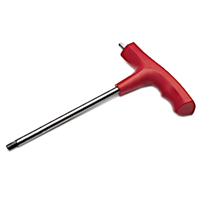
Handle regulators and flowmeters with care. When attaching a regulator to a cylinder, do not overtighten the T-handle, as this can crush the Bodok seal (the small washer that prevents leaks). Keep flowmeters clean and dry, and never use oil or grease on oxygen fittings, as this creates a severe fire hazard.
Final Thoughts: Getting Oxygen Delivery Right in MRI Starts with the Details
Managing a patient's airway and oxygen saturation inside the bore is stressful enough without having to worry about your hardware. By understanding the distinct roles of an MRI oxygen regulator and flowmeter, you can build a delivery system that is both highly accurate and perfectly safe for the magnetic environment.
Take the time to audit your current cylinders, wall outlets, and patient demographics. Match your equipment to those specific needs, always insist on verified MR Conditional ratings, and train your staff to recognize the differences in the hardware. When you remove the guesswork from your equipment setup, you allow your technologists to focus entirely on capturing great images and providing excellent patient care.


