
You are prepping a patient for their scan when you notice a loose screw on the biopsy device or an IV pole caster that needs a quick adjustment. It is a minor fix that takes ten seconds with the right wrench. But if your facility does not have dedicated non-magnetic tools immediately accessible in Zone III or Zone IV, that ten-second fix becomes a frustrating delay. You have to halt the workflow, track down biomedical engineering, or risk moving the equipment entirely out of the magnetic environment just to tighten a single fastener.
Operating an MRI suite efficiently requires more than just the scanner and the imaging coils. The daily maintenance, minor adjustments, and emergency interventions that happen around the magnet demand a highly specific set of instruments. Without tools that are safe to use in Zone IV, basic tasks become logistical hurdles.
This guide serves as a comprehensive checklist of the essential non-magnetic tools every MRI environment needs. We will cover core hand tools, comprehensive tool kits, specialty equipment, and emergency gear. By understanding what tools are needed in an MRI suite and why they matter, facility managers and technologists can maintain safety, streamline workflows, and prevent unnecessary downtime.
Why Every MRI Suite Needs Dedicated Non-Magnetic Tools
Working near a powerful superconducting magnet changes the rules for basic maintenance and facility management. Standard, MR Unsafe hardware cannot cross the threshold into Zone IV. Having a dedicated inventory of MRI tools is a fundamental requirement for facility safety and operational efficiency.
Why standard tools can’t be used in MRI environments
Standard hand tools are almost always made from ferrous materials like steel or iron alloys. These materials are highly susceptible to the scanner's static magnetic field. Even a small standard screwdriver can experience a massive pulling force when brought into the scanner room. Non-magnetic tools are manufactured from specialized non-ferrous materials, such as titanium, or specialized brass alloys. These materials do not interact with the magnetic field, allowing technicians and medical staff to perform necessary tasks directly inside the MRI room.
Safety risks of using the wrong tools
Bringing a standard steel tool into Zone IV presents an immediate and severe projectile hazard. The magnetic field can pull a ferrous wrench or pair of pliers out of a user's hand at lethal speeds. This endangers patients, staff, and the multi-million-dollar scanner itself. A projectile strike can cause catastrophic damage to the MRI bore, leading to costly quenches, extensive repairs, and weeks of canceled appointments. Strict adherence to an MR Conditional tools checklist eliminates this preventable risk.
The role of proper tools in daily MRI operations
Beyond catastrophic safety risks, having the right MR Conditional tools on hand directly impacts your daily schedule. MRI suites require constant minor adjustments. Patient transport equipment needs tightening, coils occasionally require minor physical hardware adjustments, and facility fixtures like door hinges or cabinetry may need tightening. When MRI maintenance tools are readily available, staff can resolve these minor issues instantly without interrupting the patient schedule or waiting for outside maintenance teams to arrive with specialized gear.
Core Hand Tools Every MRI Suite Should Have
Every imaging center needs a foundational set of MRI hand tools that are safe to handle routine mechanical adjustments. These are the tools that will see the most frequent use by technologists and on-site biomedical staff.
Screwdrivers, pliers, and adjustable wrenches
The most frequently used tools in any setting are just as vital in an MRI suite. A proper set should include flathead and Phillips-head screwdrivers in various sizes to handle the small fasteners found on medical accessories. Pliers (both needle-nose and slip-joint) are necessary for gripping and pulling tasks. Adjustable wrenches are critical for loosening or tightening the nuts and bolts on IV poles, MR Conditional wheelchairs, and transport stretchers.
Hex keys and socket sets
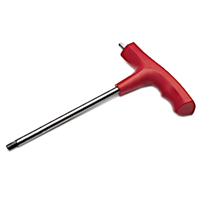
Many pieces of modern medical equipment and structural MRI fixtures use hex bolts (Allen screws) rather than standard slotted screws. A comprehensive set of metric and standard non-magnetic hex keys is essential. Similarly, socket sets allow for fast, secure adjustments of larger bolts found on heavy non-magnetic equipment or facility hardware.
Precision tools for small adjustments
Not all repairs involve heavy equipment. MRI technologists often deal with delicate components, such as adjusting the small setscrews on biopsy grids, specialized head coils, or monitoring equipment. Precision screwdrivers and tweezers made from titanium allow staff to make these micro-adjustments safely near the scanner.
You can browse our complete selection of individual instruments in our MRI tools category.
MRI Tool Kits: The Most Practical Starting Point
Building a tool inventory piece by piece can be time-consuming and often leaves facilities with blind spots. For new installations or suites looking to overhaul their safety protocols, purchasing a pre-assembled MRI tool kit is usually the smartest approach.
What a complete MRI tool kit includes
A comprehensive MRI tool kit provides a baseline of utility for the entire department. These kits typically come housed in a non-magnetic, heavy-duty carrying case. Inside, you will find a curated selection of the most commonly needed tools: multiple sizes of screwdrivers, adjustable wrenches, standard pliers, hex key sets, and sometimes specialized cutting tools or mallets.
When a tool kit makes more sense than individual tools
If you are opening a new imaging center, upgrading an existing suite, or replacing a lost inventory of tools, buying a kit ensures you have all the basics covered immediately. It eliminates the guesswork of figuring out exactly what tools are allowed in the MRI room and trying to source them individually. Kits offer a ready-made solution that complies with MRI safety standards right out of the box.
How tool kits improve organization and efficiency
A major advantage of an MRI tool kit is the organizational structure it provides. Custom-molded cases or foam inserts give every tool a specific home. This makes it instantly obvious if a tool is missing at the end of a shift. In a busy clinical environment, knowing exactly where your MRI maintenance tools are stored prevents delays and reduces the risk of tools migrating out of the department.
Explore our full range of pre-assembled options in our MRI tool kits category.
Specialty Tools for MRI Maintenance and Repairs
While basic hand tools cover daily adjustments, some facility operations require specialized non ferrous tools tailored to specific maintenance tasks.
Tools used for equipment servicing
Biomedical engineers and field service technicians require a deeper bench of tools to service the scanner and its supporting infrastructure. This might include non-magnetic wire strippers for repairing communication cables, specialized combination wrenches for calibrations, or non-magnetic putty knives for working with RF shielding.
Equip Your Team with Tools They Can Trust
Get high-quality, MRI-dedicated equipment that supports safer scans, better positioning, and smoother patient care.
View Trusted ProductsTools for facility adjustments and installations
The room housing the MRI requires maintenance just like the equipment inside it. Non-magnetic hammers, pry bars, and non-magnetic tape measures are necessary when working on the physical structure of Zone IV. Whether replacing an RF door seal, adjusting non-magnetic cabinetry, or installing new patient monitoring mounts, maintenance staff must use MR Conditional tools to complete the job.
When specialty tools are required
Specialty tools are generally reserved for planned maintenance, installation projects, or complex repairs rather than daily use by technologists. Facilities that employ in-house biomedical teams or handle their own minor facility repairs will benefit greatly from keeping a dedicated stock of these specialty MRI tools on site.
Check out our specialty MRI tools for advanced facility maintenance needs.
Non-Magnetic Tools for Emergency Situations
In an emergency, every second counts. Having the right tools immediately accessible can make a critical difference during a medical code, a fire, or a facility malfunction.
Tools needed for urgent access or adjustments
During a patient emergency, staff may need to rapidly dismantle a piece of equipment, cut away a restraint, or adjust a stretcher. Non-magnetic trauma shears and non-magnetic safety knives should be kept in highly visible, easily accessible locations. In the rare event of an infrastructure emergency, heavy-duty non-magnetic tools like pry bars or bolt cutters might be required by emergency responders who cannot bring standard steel breaching tools into the magnetic field.
Why having tools readily available matters
Emergency situations cause high stress and fast movements. This is the exact scenario where someone might accidentally rush into Zone IV with a standard ferrous tool in their pocket. By keeping clearly marked, dedicated emergency non-magnetic tools within Zone III, you provide staff and responders with safe, immediate solutions, mitigating the risk of introducing a projectile hazard during a crisis.
Balancing accessibility with safety
Emergency tools must be easy to grab, but they also need to be securely managed so they do not wander off during normal operations. Wall-mounted shadow boards or break-glass emergency cabinets located in the control room (Zone III) offer an excellent balance. They keep the tools visible and accessible while clearly designating them for emergency use only.
Choosing the Right Tools for Your MRI Suite
Selecting the right non-magnetic tools requires looking at your facility's specific workflows, case volume, and staffing structure.
Matching tools to your workflow
Consider who will be using the tools most often. If your technologists primarily need to adjust patient transport chairs and IV poles, focus heavily on basic wrenches and screwdrivers. If your facility acts as a regional hub with dedicated on-site biomedical engineers, you will need a much more extensive MRI maintenance tools list, including specialty tools and diagnostic equipment.
Facility size and usage considerations
A small outpatient imaging center with a single scanner might function perfectly with a single basic MRI tool kit kept at the technologist's desk. A massive hospital department with four scanners, high patient turnover, and complex cases will likely need duplicate sets of tools stationed in different control rooms to prevent staff from wasting time searching for a wrench across the department.
Durability and material selection
Non-magnetic tools are precision instruments, but they behave differently than standard steel. Titanium is incredibly strong and lightweight but carries a premium price point. Choose materials based on how frequently the tools will be used and the level of physical stress they will endure during typical maintenance tasks.
Common Gaps in MRI Tool Availability
Even well-funded imaging departments often overlook their tool inventory until a problem arises. Recognizing common gaps can help you audit your own facility proactively.
Missing essential tools
The most common issue is a gradual loss of inventory. A screwdriver gets left on a cart, taken to another department, and never returned. Over time, the facility is left with an incomplete set. Regularly auditing your MRI safe tools checklist against your actual physical inventory is the only way to ensure you have what you need when you need it.
Relying on shared or standard tool sets
Some facilities attempt to share tools with other departments or rely on the hospital's general maintenance team to bring non-magnetic tools when requested. This creates massive delays. General maintenance teams may also accidentally mix standard ferrous tools into their non-magnetic kits. MRI suites must maintain strict, independent ownership of their own dedicated tools.
Lack of organization and accessibility
Tossing loose titanium wrenches into a drawer is a recipe for missing equipment. When tools are not organized, staff will waste time searching for them. Implement strict organizational systems, such as tool kits with custom foam cutouts or dedicated, labeled toolboxes kept in a permanent location.
Best Practices for Storing and Managing MRI Tools
Purchasing the right tools is only the first step. Proper storage and ongoing management are required to protect your investment and maintain a safe environment.
Safe storage within MRI Zones
Non-magnetic tools should be stored in Zone III or just inside Zone IV in a designated, secure location. They should never be stored in general hospital maintenance closets where they might be confused with standard tools or taken by unauthorized personnel.
Labeling and access control
Every tool in your MRI inventory should be clearly marked as MR Conditional. Many manufacturers engrave or color-code their tools for this purpose. Additionally, control access to the tools to know exactly where they are. Technologists and authorized biomedical staff should know exactly where the tools are, but they should not be freely accessible to anyone walking through the department.
Routine inspection and maintenance
Non-magnetic alloys like aluminum bronze are softer than hardened steel. Over time, screwdriver tips can strip, and wrench jaws can deform. Schedule routine inspections of your MR Conditional tools to identify worn or damaged items. Replace compromised tools immediately so they do not fail during a critical adjustment.
Final Thoughts: The Right Tools Support Safe and Efficient MRI Operations
Managing an imaging suite is complex enough without fighting your own equipment. When a fastener comes loose or a wheelchair needs adjusting, staff should be able to resolve the issue safely and immediately. Equipping your department with a comprehensive set of MRI non-magnetic tools is an investment in safety, efficiency, and peace of mind. By establishing a solid inventory of hand tools, comprehensive kits, and emergency gear, you empower your team to keep the scanner running smoothly and your patients safe.


