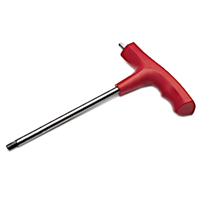

A patient is prepped and ready for their scan, but the MR Conditional IV pole they need has a loose caster wheel. The technologist needs to tighten it quickly before bringing the patient into Zone IV. However, the department's only set of tools that are safe to use in the MRI suite are missing from their designated drawer. A biomedical technician has to be called, or a staff member has to search the department, resulting in a 20-minute delay. The scanner sits idle, the schedule backs up, and the patient grows anxious.
This scenario is frustratingly common in imaging centers. The absence of the right equipment at the right time directly impacts workflow and compromises patient throughput. While facilities heavily invest in advanced scanners and monitoring equipment, the basic hand tools needed to maintain and adjust accessories often become an afterthought.
Understanding how non magnetic tools improve MRI safety and directly influence daily operations is vital for clinical staff and administrators alike. This article explains the connection between proper tool selection, safety compliance, and workflow efficiency, helping you evaluate and upgrade your current setup for better facility outcomes.
Why Non-Magnetic Tools Matter More Than Most Facilities Realize
When we talk about MRI safety, the focus naturally lands on screening protocols, ferromagnetic detection systems, and securing large equipment. Hand tools often slip under the radar until a problem occurs.
The role of tools in MRI environments
Routine adjustments are a daily reality in any busy imaging department. Wheelchairs need tightening, oxygen tank holders require adjustments, and positioning aids sometimes need minor mechanical fixes. Having immediate access to MRI non-magnetic tools allows technologists and maintenance staff to handle these minor tasks swiftly without removing equipment from the MRI environment.
Why standard tools create unnecessary risk
Bringing standard, MR Unsafe, ferrous hand tools into Zone III or Zone IV is a severe safety hazard. The static magnetic field of the scanner is always on. A standard steel wrench or screwdriver can easily be pulled from a technician's hand, becoming a dangerous projectile. Even if a staff member intends to stay near the doorway, the invisible pull of the fringe field can cause sudden, catastrophic accidents.
How tool selection impacts more than compliance
Choosing the right equipment is not simply about passing a safety audit. It is about creating a predictable, low-stress environment for your staff. When technologists have readily available, reliable tools that are safe to use in MRI environments, they spend less time improvising or waiting for help, keeping the daily schedule running smoothly.
How Non-Magnetic Tools Improve MRI Safety
Safety in the MRI suite is built on layers of protocol and appropriate equipment. Introducing non ferrous tools MRI staff can trust eliminates a significant variable from the risk equation.
Eliminating projectile risks
The primary function of MR Conditional hand tools is to prevent the missile effect. Because they are manufactured from specialized alloys like titanium, these tools contain no ferromagnetic materials. They will not be attracted to the scanner, ensuring that even if dropped near the bore, they pose zero projectile threat to the patient, the staff, or the magnet itself.
Supporting safe work in Zones III and IV
Biomedical engineers and maintenance teams often need to perform minor repairs or calibrations on MR Conditional equipment within the restricted zones. Using strictly non-magnetic tools ensures these professionals can do their jobs effectively without the constant anxiety of a tool slipping into the magnetic field.
Reducing incidents caused by improper tools
When proper tools are unavailable, staff might attempt to use inappropriate items to make quick fixes, or they might try to muscle a loose fitting by hand. This leads to damaged equipment, stripped screws, and potential physical strain for the technologist. Having the correct MRI tools on hand prevents these easily avoidable incidents.
The Workflow Impact of Using the Right Tools
Safety and efficiency are closely linked. When safety protocols are supported by the right equipment, workflow naturally improves.
Faster adjustments and maintenance
A loose bolt on a transport gurney shouldn't require a service ticket. When technologists have immediate access to MRI maintenance tools, they can tighten the bolt in seconds and proceed with the patient transfer. This autonomy keeps the department moving and prevents minor mechanical issues from escalating into major schedule disruptions.
Reducing delays during procedures
Time is the most valuable commodity in an MRI department. Every minute the scanner is idle costs the facility money and delays patient care. By ensuring MRI safe tools are kept within easy reach, you eliminate the downtime associated with tracking down maintenance staff or searching for a safe wrench.
Improving staff confidence and efficiency
Technologists work best when they feel supported and equipped. Providing high-quality tools specifically designed for their environment shows a commitment to their operational needs. This leads to higher job satisfaction, smoother handoffs between shifts, and an overall improvement in MRI tool efficiency hospital-wide.
Operational Challenges Caused by Using the Wrong Tools
Failing to provide adequate tools creates a ripple effect of inefficiencies that clinical managers have to deal with on a weekly basis.
Workflow interruptions and delays
When a piece of MR Conditional equipment needs a minor adjustment and the right tools are missing, the workflow stops. The patient waits, the technologist waits, and the schedule falls behind. These seemingly small delays accumulate, often resulting in missed appointment slots or staff working unnecessary overtime.
Increased reliance on external support
Without dedicated tools in the suite, clinical staff are forced to rely heavily on the hospital's general maintenance or biomedical engineering teams for basic fixes. This pulls those teams away from more critical tasks and forces the MRI department to wait on external schedules, reducing the department's operational independence.
Equip Your Team with Tools They Can Trust
Get high-quality, MRI-dedicated equipment that supports safer scans, better positioning, and smoother patient care.
View Trusted ProductsRisk of equipment damage and downtime
Standard, MR Unsafe tools can easily strip non-magnetic screws or damage the specialized hardware found on MR Conditional equipment. Once hardware is damaged, the equipment must be pulled from service entirely until replacement parts arrive. This creates unnecessary equipment shortages and limits the department's ability to serve patients effectively.
Tool Kits vs Individual Tools: Efficiency Considerations
When outfitting a department, facilities must decide how to purchase and store their equipment. Buying tools piecemeal might seem cost-effective initially, but it often leads to disorganization.
Organization and accessibility
A scattered collection of wrenches and screwdrivers thrown into a drawer is difficult to manage. A structured approach ensures tools are kept together, protected, and easily identifiable.
Reducing time spent searching for tools
The main benefit of MR Conditional tools is lost if you cannot find them when you need them. Utilizing complete MRI non-magnetic tool kits ensures that every necessary driver, wrench, and plier has a specific place. Technologists can grab the entire kit, bring it to the equipment in question, and know they have what they need to complete the task.
Matching tool selection to workflow needs
Different facilities have different equipment profiles. Comprehensive kits provide the versatility needed to handle various brands of wheelchairs, IV poles, and patient monitors. Standardizing with a full kit prevents the frustrating realization that you have a Phillips screwdriver when you actually need a metric hex key.
Cost vs Value: What Facilities Often Overlook
Budget constraints often drive purchasing decisions, but looking only at the initial price tag of specialized tools provides an incomplete picture.
Short-term savings vs long-term risk
Non-magnetic tools are more expensive to manufacture than standard steel tools. However, opting not to purchase them to save a few hundred dollars introduces massive financial risk. A single projectile incident involving a standard wrench can cause hundreds of thousands of dollars in damage to the scanner, not to mention the potential for severe human injury and liability.
Hidden costs of improper tools
The hidden costs of not having the right tools manifest in scanner downtime. If a scanner is booked at several hundred dollars an hour, a 30-minute delay caused by a loose fitting and a missing tool quickly outweighs the cost of an entire non-magnetic tool set.
Investing in reliability and consistency
Investing in high-quality MRI safety and repair equipment is an investment in department reliability. These tools do not degrade in the magnetic field and are built to last. They provide consistent performance, ensuring your team is always prepared to handle minor maintenance tasks safely.
How to Evaluate Your Current MRI Tool Setup
To realize these benefits, facilities must take a critical look at how their current tool inventory supports their daily operations.
Identifying safety gaps
Start by auditing your department's tool storage. Are there standard, ferrous/MR Unsafe tools accidentally mixed in with non-magnetic, MR Conditional ones? Have tools gone missing over the years? Identifying these gaps is the first step in mitigating projectile risks and ensuring strict compliance with safety guidelines.
Reviewing workflow inefficiencies
Talk to your technologists and biomedical staff. Ask them how often they experience delays due to minor equipment adjustments. If staff frequently have to leave the department to find tools or wait for assistance to tighten a simple bolt, your current setup is bottlenecking your workflow.
Deciding when to upgrade or standardize
If your tool inventory is a mismatched collection of leftover pieces, it is time to standardize. Upgrading to a comprehensive, clearly labeled kit ensures all staff members know exactly where the tools are and what is available. This standardization removes guesswork and speeds up maintenance tasks.
Best Practices for Improving Tool Use in MRI Suites
Purchasing the right equipment is only half the solution. Proper implementation ensures the tools remain effective and available over the long term.
Standardizing approved tools
Ensure that all tools allowed into Zone III and Zone IV are explicitly approved and labeled as MR Conditional. Remove any unverified tools from the department immediately. Standardizing your inventory prevents the accidental introduction of dangerous items by well-meaning staff members.
Training staff on proper usage
Educate your team on why MR Conditional tools matter. Technologists should understand not only the safety implications but also how to properly use and care for the specialized alloys. Because materials like aluminum bronze are slightly softer than standard steel, they require appropriate handling to prevent premature wear.
Maintaining organization and control
Implement a strict checkout or inventory system for your tool kits. At the end of every shift, the kit should be checked to ensure all pieces have been returned. Maintaining strict control over these assets guarantees they will be ready and waiting the next time an urgent adjustment is needed.
Final Thoughts: Better Tools Lead to Better Outcomes
The efficiency of an MRI suite relies heavily on the seamless interaction between staff, equipment, and safety protocols. While non-magnetic hand tools might seem like a minor detail compared to the scanner itself, their absence can bring a busy schedule to a grinding halt.
By understanding how MRI tools impact workflow and prioritizing the acquisition of complete, reliable tool kits, facility administrators can empower their clinical teams. The result is a safer environment, fewer workflow interruptions, and a more streamlined approach to patient care. Evaluate your current tool inventory today, and take the necessary steps to support your staff with the right equipment for the job.


