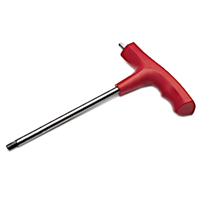

You are standing in Zone IV, prepping for a routine calibration or a minor repair on the scanner. You reach for a wrench to adjust a phantom stand or tighten a loose fixture. At that exact moment, you realize the wrench you need is missing from the designated non-magnetic tool set. You cannot simply walk out to the general maintenance closet and grab a standard steel wrench. The magnetic field is always on, and bringing an untested, ferromagnetic tool into the room is an unacceptable safety hazard.
Situations like this highlight exactly why a comprehensive, well-organized MRI tool kit is a non-negotiable asset for any imaging facility. When equipment needs adjustment, coil connections require tightening, or biomedical teams arrive for preventative maintenance, having the right MR Conditional instruments readily available saves time and prevents catastrophic accidents.
This guide breaks down what should be in an MRI tool kit, why these specialized instruments are critical, and how to select the best MRI tool kit for a hospital or outpatient clinic. We will look at the materials used, the essential contents every kit needs, and the workflow benefits of buying a complete set versus individual pieces.
Why MRI Tool Kits Are Necessary in MRI Environments
Operating an MRI scanner requires strict adherence to safety protocols. The tools used around the magnet must meet the same rigorous safety standards as the medical equipment and accessories brought into the room.
Why standard tool kits can’t be used in MRI suites
A standard tool kit from a hardware store consists almost entirely of ferromagnetic materials, primarily steel and iron alloys. The static magnetic field of an MRI scanner, typically ranging from 1.5T to 3.0T or higher, exerts a massive pull on these materials. If a technician brings a standard steel screwdriver into Zone IV, the magnet will violently pull the tool from their hands.
This is why you absolutely do need special tools for MRI environments. Any instrument brought into the magnet room must be clearly designated as MR Safe or MR Conditional. Standard tools simply do not meet these criteria and are strictly classified as MR Unsafe.
Safety risks of using the wrong tools
The primary danger of using ferromagnetic tools in an MRI environment is the projectile effect. A wrench or pair of pliers pulled by a 3.0T magnet can travel at lethal speeds, endangering the patient, the technologist, and any other personnel in the room.
Beyond the immediate physical danger to human life, projectile accidents cause devastating damage to the MRI scanner itself. A heavy metal tool striking the bore can destroy the outer casing, damage internal coils, and lead to a costly quench. Even small ferromagnetic tools can cause severe image artifacts, rendering the scanner temporarily unusable for diagnostic purposes until the object is safely removed.
The role of dedicated MRI tool kits in daily operations
A dedicated MR Conditional tool kit streamlines routine maintenance, troubleshooting, and daily operations. When biomedical engineers or facility technicians need to service the scanner, having a verified, complete kit on hand eliminates the guesswork. It prevents delays caused by searching for individual non-magnetic tools scattered across different departments.
Having a complete set also enforces strict safety protocols. By keeping a dedicated non-ferrous tool kit MRI ready within Zone III or Zone IV, staff members are less likely to accidentally bring in outside, unverified tools.
What Is an MRI Tool Kit?
An MRI tool kit is a specialized collection of hand tools manufactured entirely from non-ferromagnetic materials. These kits are specifically engineered for safe use in the high magnetic field environments of MRI suites.
Definition and purpose
The purpose of an MRI Conditional tool kit is to provide technicians, engineers, and facility staff with the implements necessary to perform repairs, adjustments, and installations without posing a projectile risk. Every item in the kit, from the largest wrench down to the smallest screwdriver tip, is made from materials that do not interact with the scanner's static magnetic field.
How MRI tool kits differ from standard tool sets
The most obvious difference lies in the material composition, which we will discuss in detail later. Because they lack steel and iron, MRI tools often feel different in the hand. They might be lighter or have a slightly different balance.
Additionally, an MRI tool set is meticulously labeled and often color-coded. Many manufacturers use specific colors or clear "MR Conditional" engravings to visually distinguish these tools from their standard counterparts. The carrying cases are also made entirely of non-magnetic plastics or composite materials, ensuring that no hidden steel hinges or latches compromise safety.
Typical use cases in imaging facilities
Imaging facilities rely on an MRI maintenance tool kit for a variety of tasks. Biomedical teams use them during scheduled scanner maintenance to remove casing panels, tighten hardware, and adjust table mechanisms. Technologists might use specific tools to adjust patient positioning aids, assemble biopsy grids, or secure specialized coils. Facility managers also utilize these kits when installing new room fixtures, replacing non-magnetic lighting, or performing routine facility upkeep inside the magnet room.
Essential Tools Included in an MRI Tool Kit
The exact MRI tool kit contents vary depending on the manufacturer and the intended use. However, a reliable kit should cover all the basic mechanical needs of a standard imaging suite.
Screwdrivers, pliers, and wrenches
At the core of any functional tool kit is a solid selection of screwdrivers, pliers, and wrenches. A standard kit usually includes multiple sizes of flathead and Phillips head screwdrivers. Pliers should include both needle-nose options for delicate work and slip-joint or lineman's pliers for gripping heavier hardware. Adjustable wrenches and a set of combination wrenches (open-end and box-end) are necessary for tightening bolts on scanner beds and accessory carts.
Socket sets and hex tools
Many internal MRI components and accessory devices use hex bolts and specialized fasteners. A comprehensive MRI tool kit should feature a non-magnetic socket set with a reversible ratchet and various metric and standard sockets. Hex keys (Allen wrenches) are also crucial, as they are frequently needed to adjust patient tables, IV poles, and monitor stands.
Specialty and precision tools
Depending on your facility's specific equipment, you may need specialty tools such as non-magnetic tweezers, cutting shears, or precision screwdrivers for delicate electronic connections on surface coils. Some kits also include non-magnetic putty knives or scrapers for facility maintenance. If you are looking to equip your biomedical or tech team, you can browse a complete selection of MRI tool kits designed specifically for high-field environments.
Materials Used in MRI Tool Kits (And Why They Matter)
Understanding the materials used in an MRI non magnetic tool kit helps explain their cost, weight, and performance characteristics.
Equip Your Team with Tools They Can Trust
Get high-quality, MRI-dedicated equipment that supports safer scans, better positioning, and smoother patient care.
View Trusted ProductsTitanium and aluminum tools
Titanium is widely considered the gold standard for MRI tools. It is completely non-ferromagnetic, exceptionally strong, and highly resistant to corrosion. Titanium tools offer the closest performance equivalent to traditional steel tools, making them ideal for heavy-duty maintenance tasks. Aluminum is another common material, particularly for larger tools like pipe wrenches or bulky handles. Aluminum is incredibly lightweight and MR Conditional, though it is softer than titanium and may not be suitable for high-torque applications.
Non-ferrous materials and safety
Other non-ferrous materials commonly used in MRI tool kits include specialized brass alloys. These materials guarantee that the tools will not be drawn into the magnet, ensuring the safety of the technologist and the patient.
Durability vs weight considerations
When evaluating what should be in MRI tool kit selections, consider the trade-off between durability and weight. Titanium is lightweight and strong but comes at a premium price. A well-designed kit often uses a combination of materials—titanium for precision tools and aluminum bronze for heavier wrenches and ratchets—to balance performance, safety, and ergonomics.
How to Choose the Right MRI Tool Kit for Your Facility
Selecting the best MRI tool kit for hospital or clinic use requires assessing your specific operational needs and the frequency of maintenance tasks.
Matching tools to your workflow and environment
Look at the daily workflow of your technologists and the routine tasks performed by your biomedical engineers. If your staff frequently adjusts complex orthopedic coils or tightens small fixtures on patient monitors, prioritize a kit with a wide array of precision screwdrivers and hex keys. If the kit is primarily for heavy facility maintenance, ensure it includes large adjustable wrenches and robust pliers.
Basic kits vs comprehensive kits
Basic kits usually contain the bare minimum: a few screwdrivers, an adjustable wrench, and a pair of pliers. These are great to keep on hand for quick, simple fixes by the technologist team. Comprehensive kits can contain over 50 individual pieces, including full socket sets, hex keys, and specialty cutters. Comprehensive kits are the better choice for dedicated biomedical engineers who perform in-depth scanner maintenance.
Considerations for maintenance vs occasional use
If a tool kit is only going to be used once a year for minor room adjustments, a smaller, basic kit might be perfectly adequate. For high-volume imaging centers where scanners undergo frequent maintenance and tuning, investing in a comprehensive MRI tool kit ensures that the team always has the exact, durable tool required for the job.
MRI Tool Kits vs Individual Tools: Which Is Better?
When outfitting an MRI suite, managers often debate whether to purchase a pre-assembled MRI safe tool kit list or buy individual tools piece by piece as needed.
Convenience and organization
A complete MRI tool kit provides superior organization. Kits come in custom-molded, non-magnetic cases that keep every tool in its designated spot. This visual organization makes it immediately obvious if a tool is missing at the end of a shift or a maintenance procedure. Buying individual tools often leads to a disorganized drawer where instruments can easily be misplaced or mixed up with standard, unverified tools.
Cost and long-term value
Purchasing tools individually is almost always more expensive per unit than buying a bundled kit. While the upfront cost of a comprehensive MRI tool set is higher, the long-term value is undeniable. You avoid the high shipping and procurement costs associated with ordering single tools every time a new need arises.
When a kit makes more sense than individual tools
A complete kit makes the most sense when outfitting a brand-new MRI suite, upgrading an older facility's safety protocols, or outfitting a new biomedical engineering hire. Individual tools are best reserved for replacing a lost item from an existing kit or acquiring a highly specialized instrument that standard kits do not include.
Common Mistakes When Selecting MRI Tool Kits
Investing in non-magnetic tools is a significant facility expense. Avoiding common purchasing mistakes ensures you get the most value and safety out of your equipment.
Choosing incomplete or mismatched kits
One frequent error is buying a minimal kit to save money, only to find that it lacks the specific hex key or socket size needed for the scanner bed. This forces technicians to halt maintenance while they order the missing piece. Always review the exact MRI tool kit contents against your scanner manufacturer's maintenance documentation before purchasing.
Overlooking MRI compatibility requirements
Never assume a tool is safe simply because it is labeled "non-sparking" or "corrosion-resistant." Tools designed for explosive environments (like oil rigs) are often made of brass, but they may still contain hidden steel pins or springs. Ensure the kit you buy is explicitly certified and marketed as an MR Safe tool kit by a reputable medical equipment vendor.
Buying based on price instead of suitability
Budget constraints are a reality in healthcare management, but buying the cheapest available non-magnetic tools often leads to frustration. Low-quality non-ferrous tools can strip easily, warp under pressure, or feature uncomfortable grips. Investing in high-quality titanium tools prevents the need for frequent replacements and ensures the tools perform reliably during critical maintenance windows.
Best Practices for Storing and Using MRI Tool Kits
Owning the right tools is only half the equation. Proper storage and handling protocols are required to maintain a safe environment.
Safe storage within MRI Zones
Always store your MRI tool kit in a designated location within Zone III or Zone IV. Keeping the kit inside the controlled environment prevents staff from accidentally swapping tools with standard maintenance sets used elsewhere in the hospital. The storage cabinet or cart must also be non-magnetic and clearly labeled.
Keeping tools organized and accessible
Enforce a strict policy that all tools must be returned to their custom-molded case immediately after use. This practice not only protects the tools from damage but also allows the lead technologist to perform a quick visual inventory at the end of each day. A missing non-magnetic tool might not pose a projectile risk, but a lost tool can severely delay the next critical repair.
Routine inspection and maintenance
Even non-ferrous tools require basic care. Inspect the tools regularly for signs of wear, stripped heads on screwdrivers, or loose joints on pliers. Keep the tools clean and free of patient contrast media or bodily fluids by wiping them down with approved hospital-grade disinfectants. Ensure that the cleaning agents used do not degrade the tool materials or the protective case over time.
Final Thoughts: The Right Tool Kit Supports Safe and Efficient MRI Operations
Operating an MRI facility safely requires constant vigilance and the right equipment for every scenario. Standard maintenance tools have no place in Zone IV. A dedicated, comprehensive MRI tool kit eliminates the risks associated with ferromagnetic materials while empowering your technologists and engineers to perform their duties efficiently.
By understanding the necessary materials, evaluating your daily workflow, and choosing a comprehensive set over mismatched individual pieces, you protect your staff, your patients, and your multi-million-dollar scanner. Prioritize safety, invest in quality instruments, and ensure your facility is always prepared with the right MR Safe tools for the job.


