
The magnetic resonance imaging (MRI) environment presents unique and constant hazards. The static magnetic field is always on, meaning any physical item brought into Zone III or Zone IV must be meticulously vetted. However, simply purchasing MR Safe or MR Conditional equipment is not the end of the process. Continuous MRI equipment inspection and maintenance are mandatory operational workflows that clinical teams must execute to protect patients and staff.
Without a structured MRI maintenance checklist, clinical settings expose themselves to severe safety incidents and compliance violations. Medical equipment degrades over time. Labels peel off, non-magnetic coatings wear down, and unauthorized items slip through the cracks during busy shifts. Facilities need actionable workflows to catch these issues before they result in a catastrophic projectile event or an adverse patient reaction.
Proper MRI equipment maintenance requires alignment between technologists, radiology managers, and biomedical teams. Establishing exact protocols for what needs to be checked, who is responsible, and how often those checks occur transforms theoretical safety into a reliable daily reality.
Why MRI Equipment Inspection Is Critical for Safety and Compliance
Routine MRI safety equipment inspection serves as the primary defense against localized accidents and regulatory penalties. A proactive maintenance strategy ensures all tools, transport devices, and clinical accessories function precisely as intended within the powerful magnetic field.
The Risks of Poorly Maintained MRI Equipment
When MRI equipment safety checks fall behind schedule, the physical integrity of the items comes into question. For example, a wheelchair marked MR Conditional might develop a loose ferromagnetic screw after a repair by someone outside the radiology department. Similarly, the insulation on an MR Safe monitoring cable can fray, leading to severe radiofrequency (RF) burns on a patient's skin. Overlooking these details turns specialized equipment into life-threatening hazards.
How Regular Inspections Prevent Safety Incidents
Executing an MRI equipment compliance check stops the degradation cycle. Catching a deteriorating IV pole or a malfunctioning vital signs monitor early prevents those items from entering the scanner room. Regular inspections verify that every piece of hardware interacting with the magnetic field behaves predictably.
What MRI Equipment Needs Regular Inspection
An effective MRI inspection checklist hospital protocol must cover everything that crosses the threshold into Zone III and Zone IV. Every item must be cataloged and regularly reviewed.
Patient Transport Equipment (Stretchers, Wheelchairs)
Stretchers, gurneys, and wheelchairs endure heavy daily use. They frequently travel between different hospital departments, increasing the risk of unauthorized modifications. Inspection workflows must ensure that wheels, brakes, and side rails remain entirely free of ferromagnetic replacements.
Monitoring and Support Equipment
ECG leads, pulse oximeters, blood pressure cuffs, and infusion pumps must be explicitly rated for the MRI environment. Inspectors need to verify the integrity of the cables, the battery housings, and the display screens. Frayed wires or damaged casing on these items can cause artifacts on the imaging results or direct thermal injuries to the patient.
Non-Magnetic Tools and Accessories
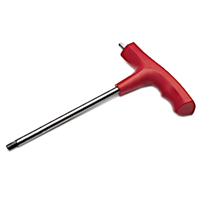
Technologists and maintenance staff rely on specialized non-magnetic tools, step stools, and cleaning supplies. Even though these items do not attach to the patient, they remain near the bore. Routine MRI equipment maintenance ensures these tools have not been accidentally swapped with their standard ferromagnetic counterparts.
Emergency and Crash Cart Equipment
An MR Safe or MR Conditional crash cart must be ready at all times. The equipment on this cart—including oxygen tanks, defibrillator pads, and suction devices—requires rigorous MRI safety equipment maintenance. In an emergency, staff do not have time to verify MR labeling; the inspection must guarantee the cart is safe long before a crisis occurs.
MRI Equipment Maintenance Checklist: What to Check
A standardized MRI maintenance checklist gives staff a clear, repeatable process for evaluating every item.
Verifying MR Safe and MR Conditional Labeling
Every inspection begins with the labeling. The standard square green "MR Safe" or triangular yellow "MR Conditional" stickers must be clearly legible and securely attached. If a label is faded, peeling, or missing entirely, the equipment must be removed from service until its status is positively re-verified and re-labeled.
Inspecting for Damage, Wear, or Material Degradation
Inspectors must look for physical damage that could alter the item's safety profile. Check the padding on stretchers for tears. Examine the outer casing of IV poles for cracks. Look closely at non-magnetic tools for signs of rust or unauthorized welds. Wear and tear can expose underlying materials that might interact dangerously with the magnetic field.
Ensuring Equipment Functions Properly in MRI Environments
Equipment must operate correctly under the stress of the magnetic field and RF pulses. Test the brakes on MR Conditional wheelchairs. Verify that infusion pumps deliver fluids accurately without interference from the scanner. Functional testing confirms that the equipment does not just survive the magnetic field, but performs its clinical duty reliably.
Checking for Unauthorized or Non-Compliant Items
A critical part of the MRI equipment compliance check involves identifying items that do not belong. Staff sometimes tape ferromagnetic pens to MR Safe clipboards or use standard metal paperclips on patient charts. The checklist must prompt inspectors to hunt for these unauthorized additions and remove them immediately. Be sure to replace ferromagnetic pens in your MRI Suite with MRI Med's MR Conditional pens, that are certified to 7 Tesla.
How Often Should MRI Equipment Be Inspected?
Determining how often MRI equipment should be inspected depends on the type of equipment and its frequency of use. A tiered approach ensures comprehensive coverage.
Daily Visual Checks Before Use
MRI technologists must perform rapid, visual checks of equipment before bringing it into Zone IV. This includes confirming the presence of an MR Safe or MR Conditional label on a wheelchair and ensuring cables on monitoring equipment are not frayed. Daily checks act as the final barrier before exposure to the magnetic field.
Scheduled Routine Inspections (Weekly or Monthly)
Facility teams and safety officers should conduct deeper inspections on a weekly or monthly basis. These sessions involve walking through the department with the formal MRI inspection checklist hospital guidelines require. Teams check the physical integrity of crash carts, test the functionality of IV pumps, and replace any fading labels.
Annual or Comprehensive Compliance Reviews
Once a year, a full audit of all MRI safety equipment maintenance records should occur. This comprehensive review verifies that all daily and monthly checks were logged accurately. It is also the time to consult manufacturer updates to ensure no equipment recalls or safety notices have been issued for the department's specific inventory.
Common Issues Found During MRI Equipment Inspections
Recognizing common failure points helps teams execute more efficient safety checks.
Missing or Incorrect Safety Labeling
Labels endure harsh cleaning chemicals and physical abrasion. A frequent issue discovered during an MRI equipment compliance check is the total loss of MR Conditional stickers. Without the sticker, the item becomes an unknown variable and must be quarantined.
Equip Your Team with Tools They Can Trust
Get high-quality, MRI-dedicated equipment that supports safer scans, better positioning, and smoother patient care.
View Trusted ProductsIntroduction of MR Unsafe Equipment
Hospital staff from outside the radiology department frequently borrow stretchers or IV poles. Sometimes, they return standard, ferromagnetic items in their place. Routine inspections frequently uncover these dangerous swaps, highlighting the need for vigilant access control.
Wear and Tear That Affects Safety or Performance
Continuous use breaks down the specialized shielding on MRI monitoring cables. A common finding during MRI equipment safety checks is exposed wiring, which dramatically increases the risk of patient burns during scanning.
Who Is Responsible for MRI Equipment Inspection and Maintenance?
Accountability prevents critical maintenance tasks from being ignored. Clear delineation of duties is essential for success.
Roles of Technologists and Clinical Staff
MRI technologists are the gatekeepers of Zone IV. They hold the responsibility for the daily visual checks and the immediate quarantining of any suspicious item. They are the first line of defense in identifying missing labels or frayed wires before a scan begins.
Involvement of Biomedical and Facility Teams
Biomedical engineers handle the complex MRI equipment maintenance. They execute the repairs on MR Conditional monitoring systems, test the functional integrity of specialized hardware, and ensure that any replacement parts meet strict non-ferromagnetic standards.
Ensuring Accountability Across Departments
The MR Safety Officer (MRSO) oversees the entire process. The MRSO ensures that technologists complete their daily logs and that biomedical teams respond promptly to repair requests. Cross-departmental communication guarantees that an unsafe stretcher is not accidentally placed back into circulation by a well-meaning nurse.
How to Document MRI Equipment Inspections for Compliance
Accurate documentation proves that a facility takes MRI safety equipment inspection seriously. Regulatory bodies require a paper or digital trail of all maintenance activities.
Creating Standardized Inspection Logs
Facilities must utilize standardized forms that track the date of inspection, the specific item checked, the outcome of the inspection, and the signature of the inspector. Digital logs streamline this process, allowing managers to quickly verify that daily checks occurred across all shifts.
Tracking Maintenance and Corrective Actions
When an item fails an inspection, the log must show the subsequent corrective action. If a wheelchair had a missing label, the documentation must reflect when it was removed from service, who verified its MR status, and when the new label was applied.
Preparing for Compliance Reviews and Audits
Maintaining organized, up-to-date records ensures readiness for unannounced audits by organizations like The Joint Commission or the American College of Radiology. Complete logs demonstrate a proactive culture of safety and operational competence.
How to Improve MRI Equipment Maintenance Processes
Optimizing maintenance workflows reduces downtime and increases clinical efficiency.
Standardizing Checklists Across Departments
If a hospital operates multiple MRI suites, the MRI maintenance checklist must be identical across all locations. Standardization prevents confusion when technologists float between different clinics or hospitals within the same health system.
Training Staff to Identify Equipment Risks
Annual safety training must include hands-on examples of degraded equipment. Show technologists what a compromised RF cable looks like. Teach them how to test a stretcher for unauthorized ferromagnetic repairs. Practical training sharpens their ability to spot hazards during daily visual checks.
Integrating Inspections into Daily Workflow
Inspections fail when they are treated as an extra burden. Management must allocate specific time at the start of a shift for technologists to perform their equipment checks. Making the inspection a seamless part of the startup routine ensures it is never skipped due to high patient volume.
Frequently Asked Questions About MRI Equipment Inspection
How often should MRI equipment be inspected?
Equipment requires a tiered inspection schedule. Perform visual checks daily before every use. Conduct thorough physical inspections weekly or monthly using a standardized checklist. Execute a comprehensive compliance audit annually.
What is included in an MRI maintenance checklist?
A robust checklist includes verifying MR Safe/MR Conditional labels, inspecting for physical damage or material wear, testing the operational function of the equipment, and searching for any unauthorized ferromagnetic modifications (such as metal clips or replaced screws).
Who is responsible for MRI equipment safety checks?
Responsibility is shared. MRI technologists handle daily visual checks and gatekeeping. Biomedical and facility teams manage deep maintenance and repairs. The MR Safety Officer (MRSO) oversees the compliance of the entire workflow.
What happens if MRI equipment is not properly maintained?
Poorly maintained equipment can cause severe artifacts on clinical images, deliver thermal burns to patients, or become dangerous projectiles if ferromagnetic components are inadvertently introduced into the scanner room. It also exposes the facility to severe regulatory penalties.
How Equipment Maintenance Supports MRI Safety Compliance
Operational excellence in the MRI suite demands rigid adherence to established protocols. Executing a strict MRI equipment maintenance schedule is not merely a bureaucratic exercise; it is the physical implementation of a facility's commitment to patient care. By utilizing a comprehensive MRI maintenance checklist, identifying wear and tear early, and holding staff accountable across all departments, facilities neutralize the inherent risks of the magnetic field. Consistent, documented inspections form the bedrock of a secure clinical environment, allowing technologists to focus on producing high-quality imaging rather than worrying about the integrity of their tools.
To explore how these operational checklists fit into broader regulatory requirements, review our comprehensive guidelines on MRI Safety Compliance.


